
Tapestries
Tapestries are hand-woven textiles where the design is built directly into the fabric as it’s made, not stitched on afterward, giving them a rich, painterly quality prized for centuries as wall art. Most pieces in ModRen’s collection are new, woven in the Aubusson tradition in China. ModRen currently has 250+ tapestries to browse, including antiques from the 18th and 19th centuries.
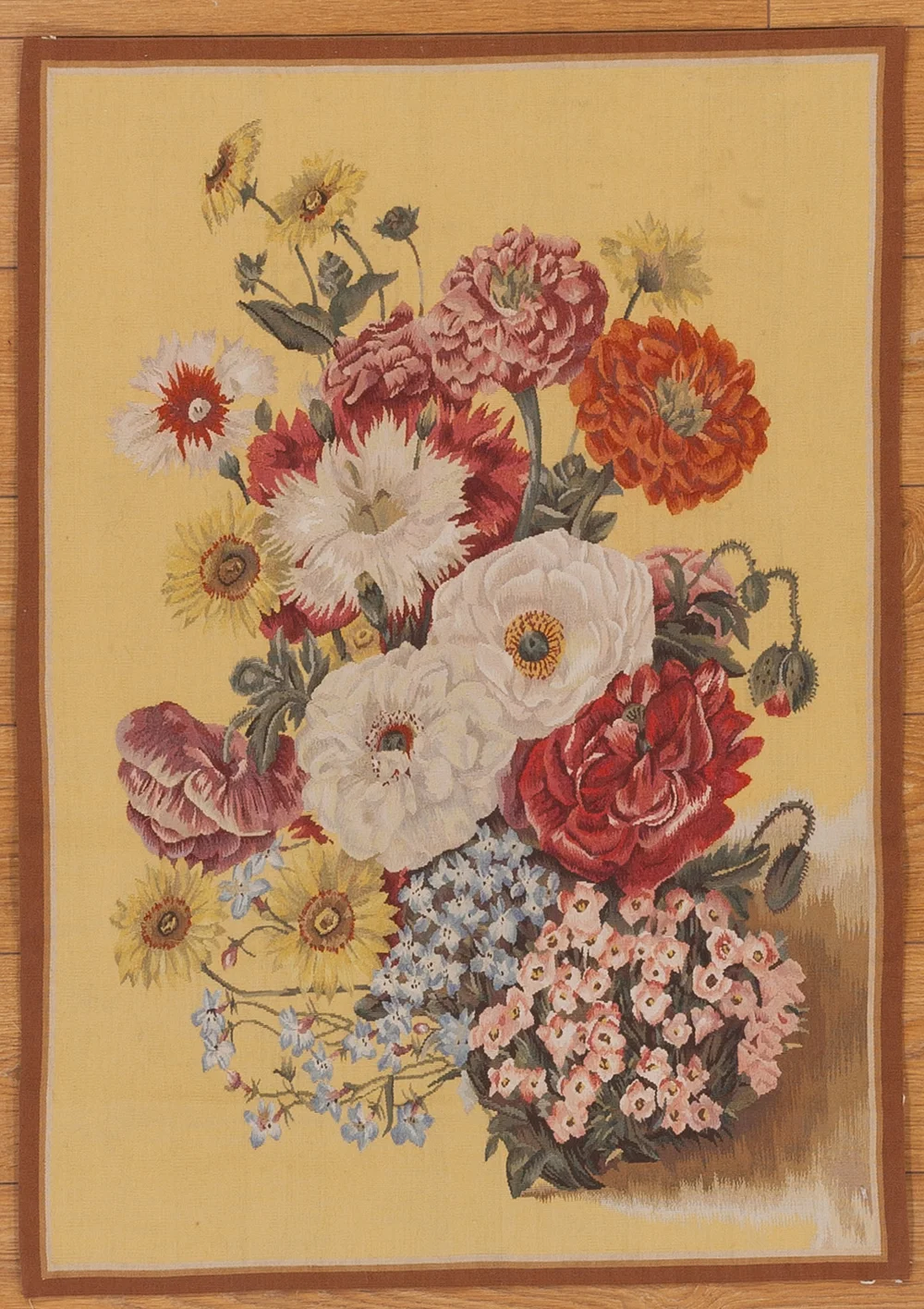
What it is: a hand-woven textile with the pattern built into the weave, made for hanging.
Origin: ModRen has mostly new handwoven recreations made in China using precise French weaving techniques. Our antique tapestries are from France.
Woven since: medieval Europe; Aubusson-style tapestry since the 17th century.
Materials: wool with cotton warp, at times with silk highlights, both new and antique.
Available at ModRen: 250+ tapestries to browse, in sizes from small panels to room-scale.
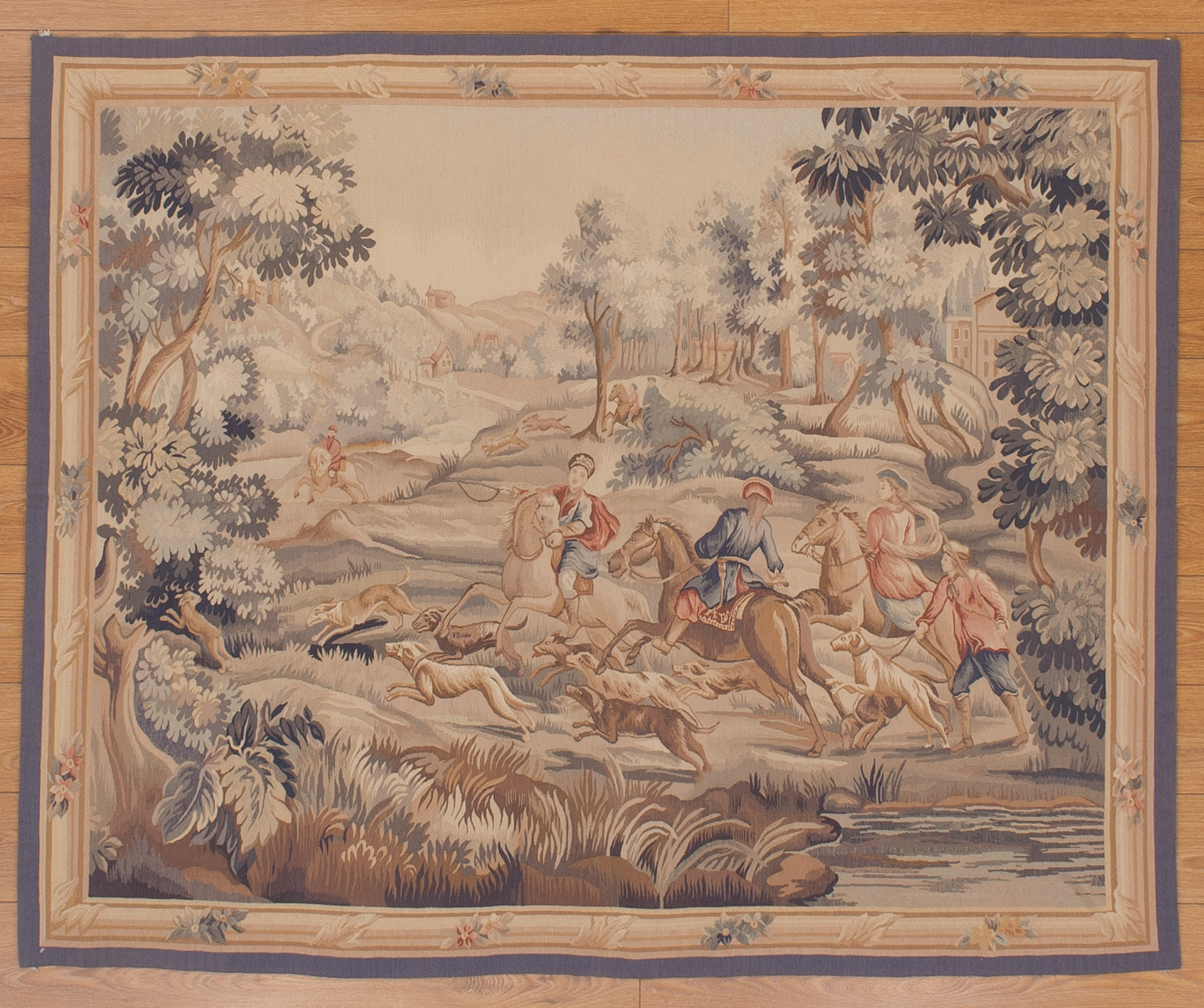
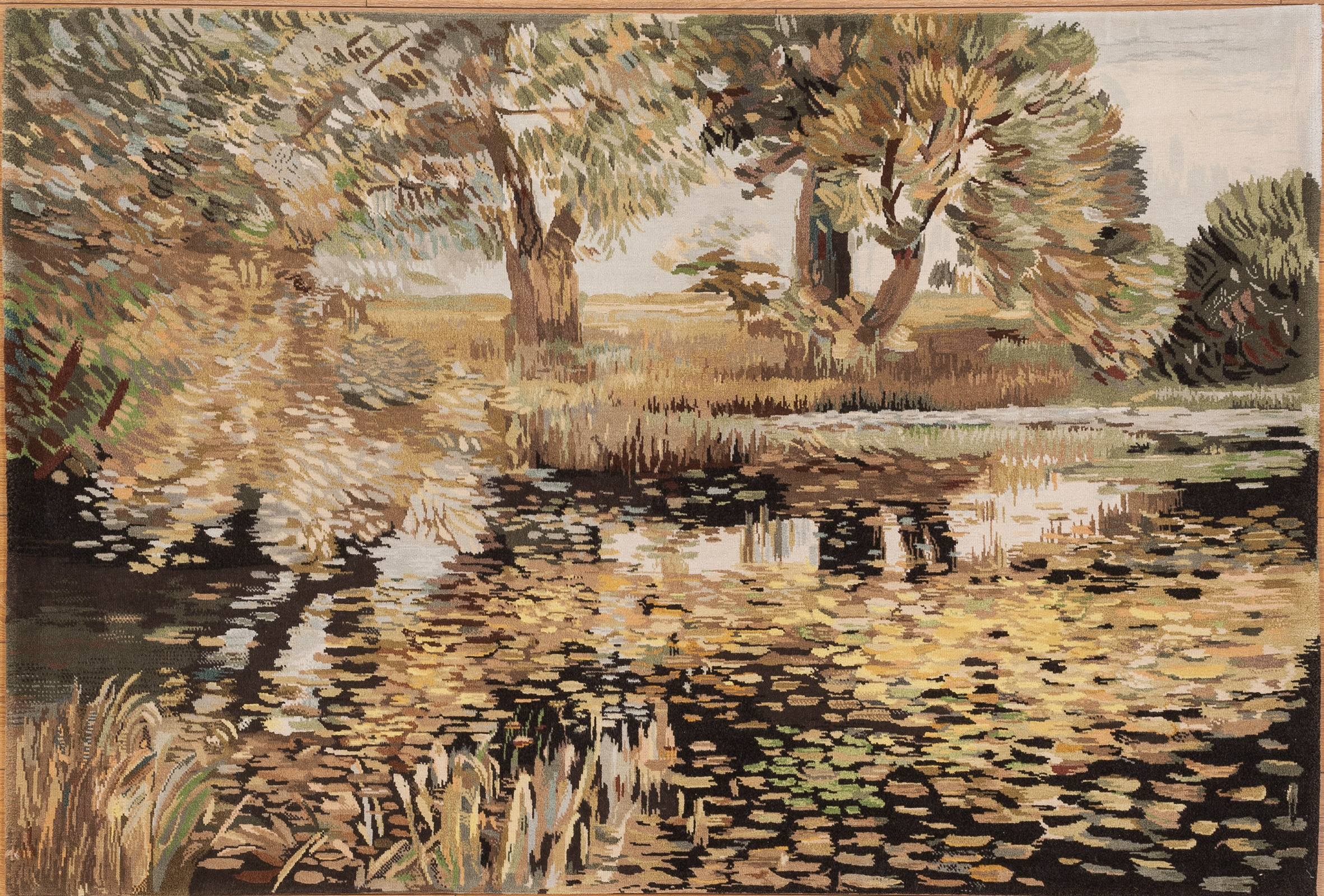
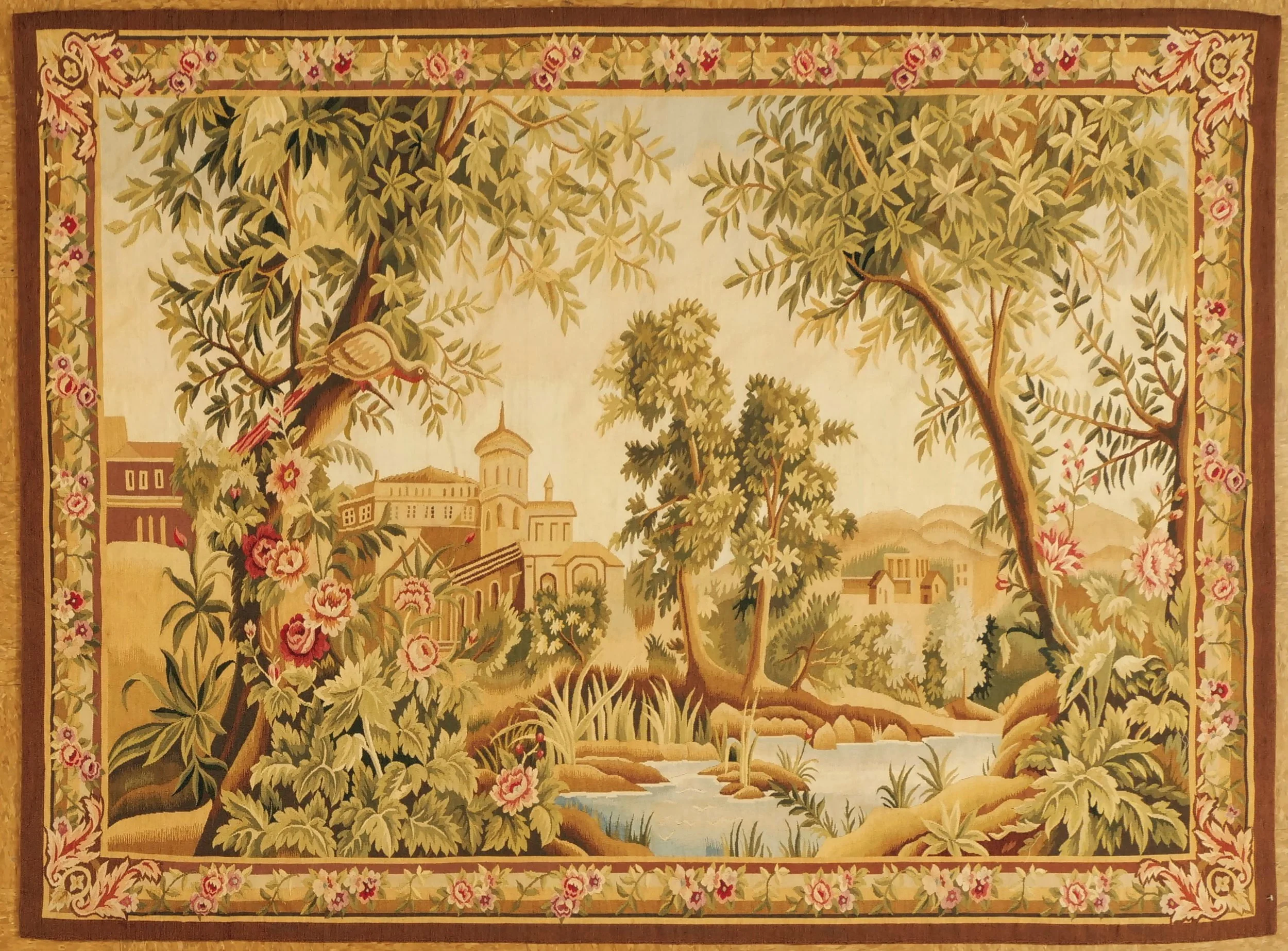
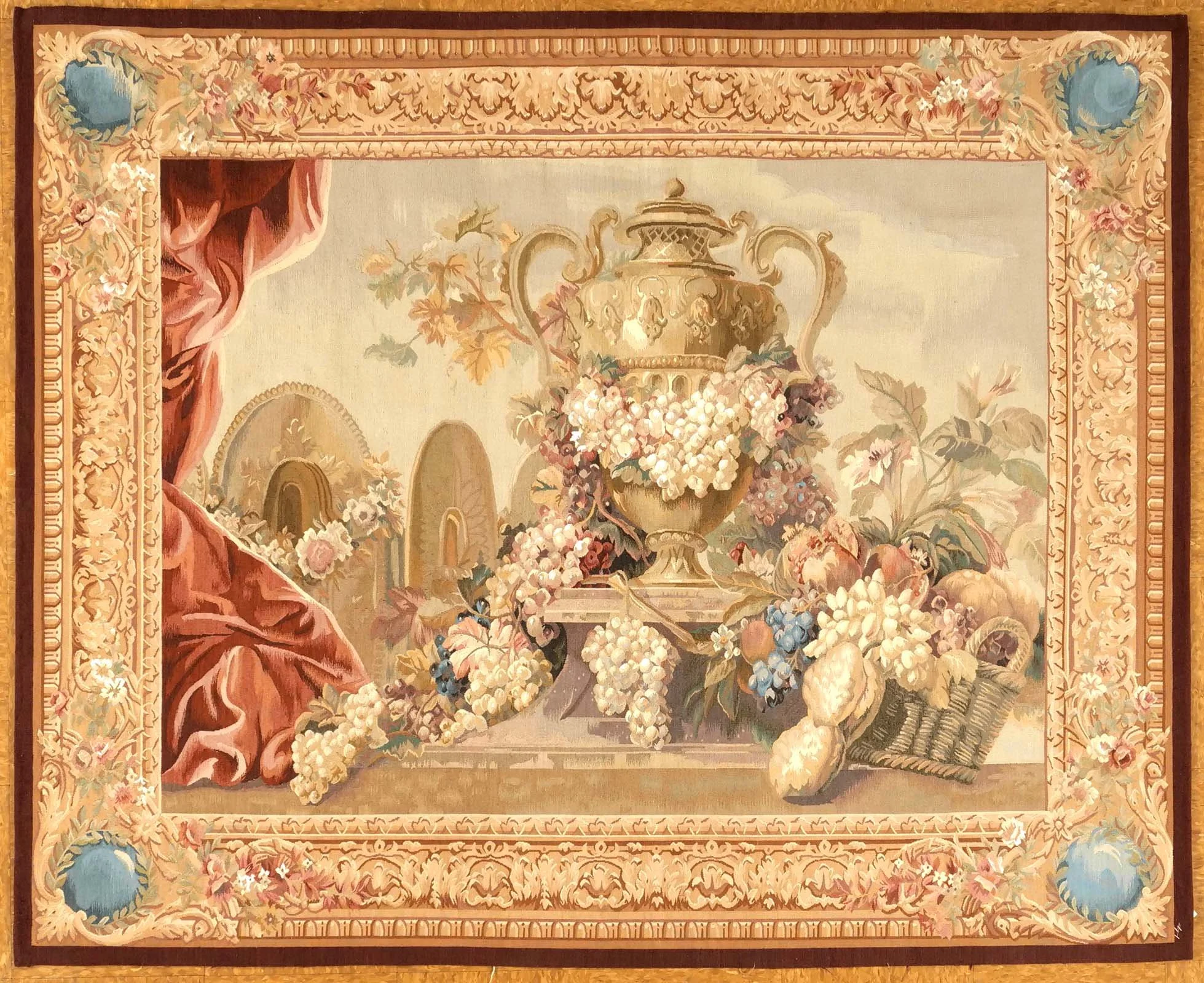
Tapestries by Orientation








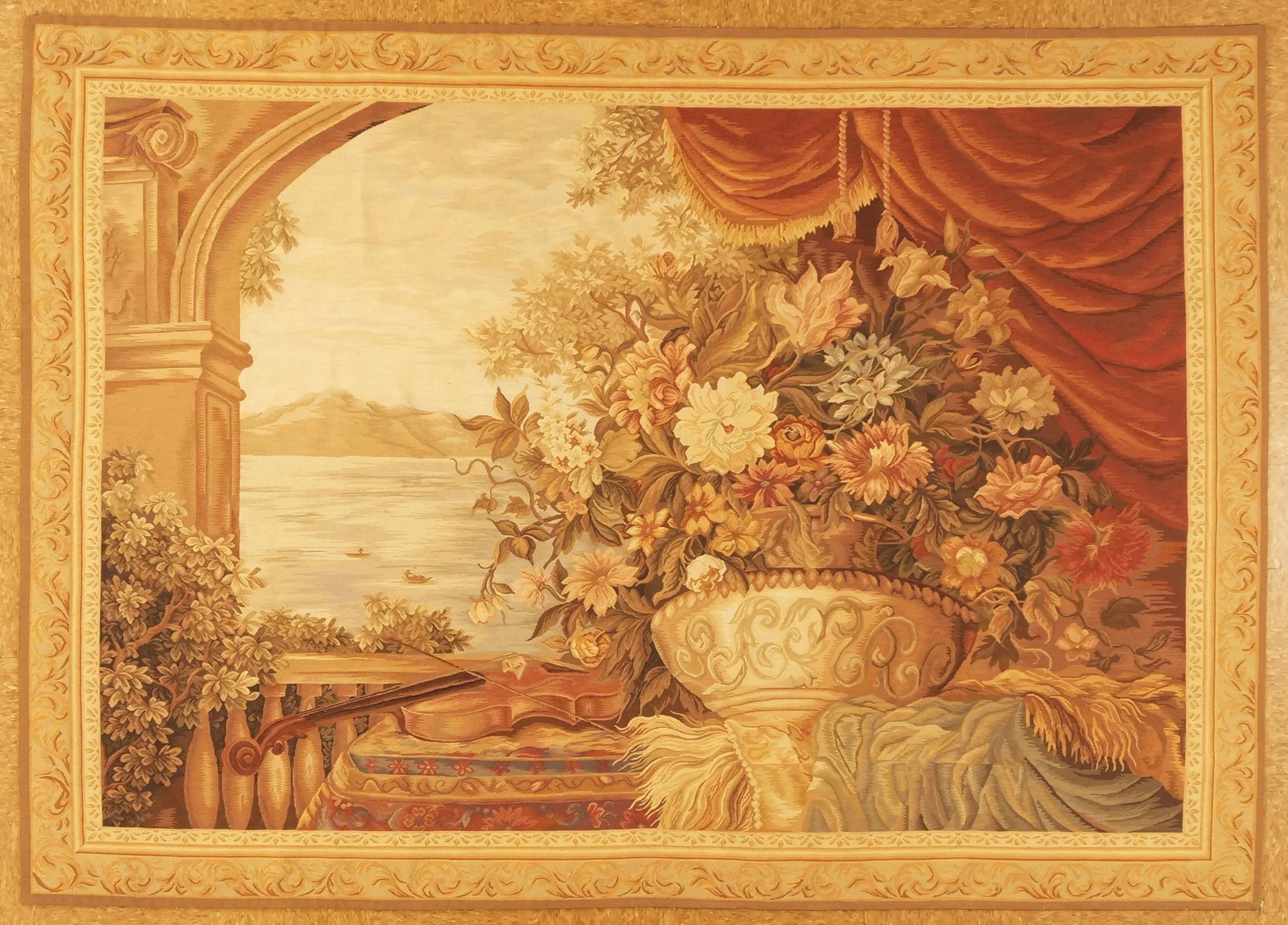


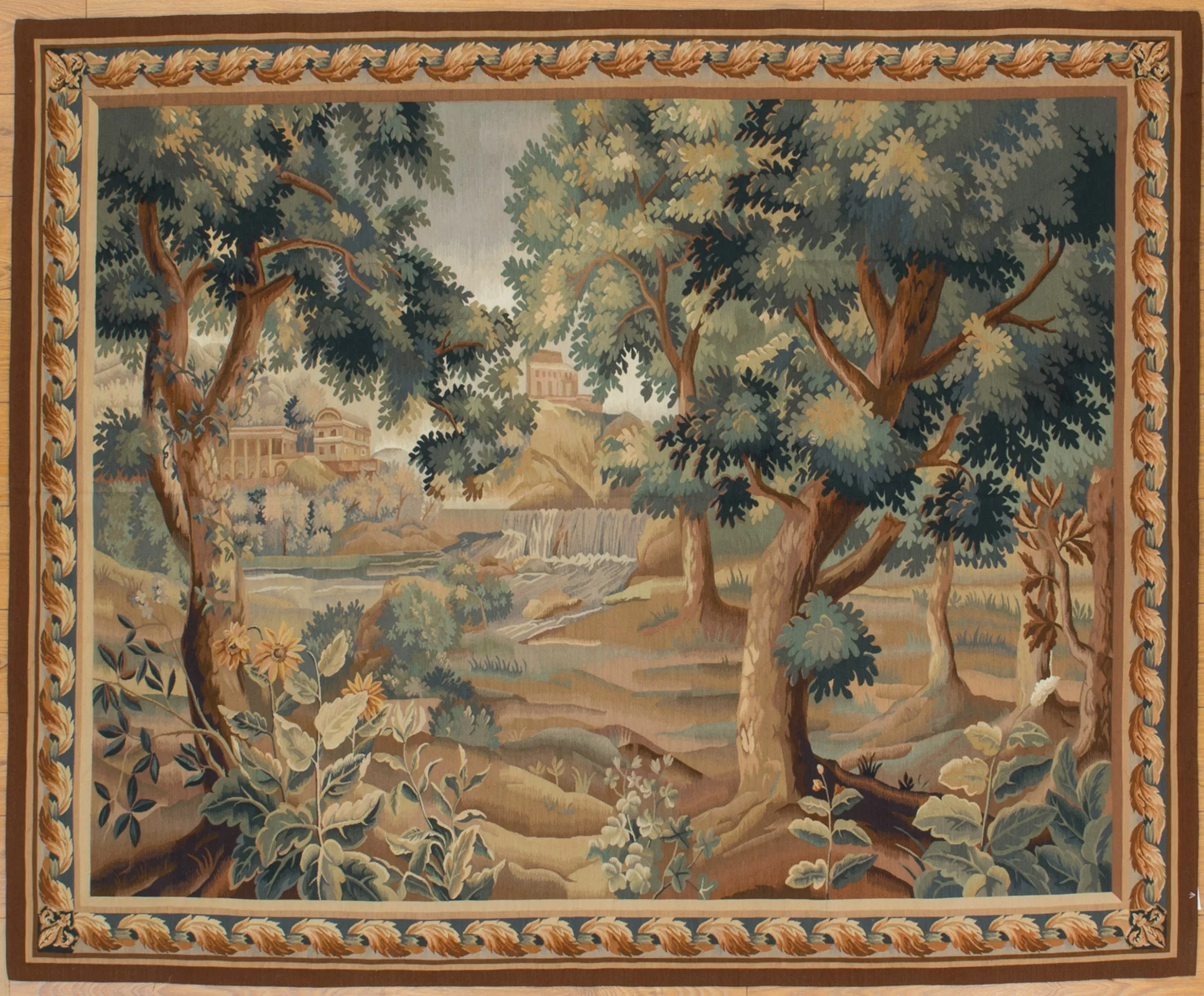

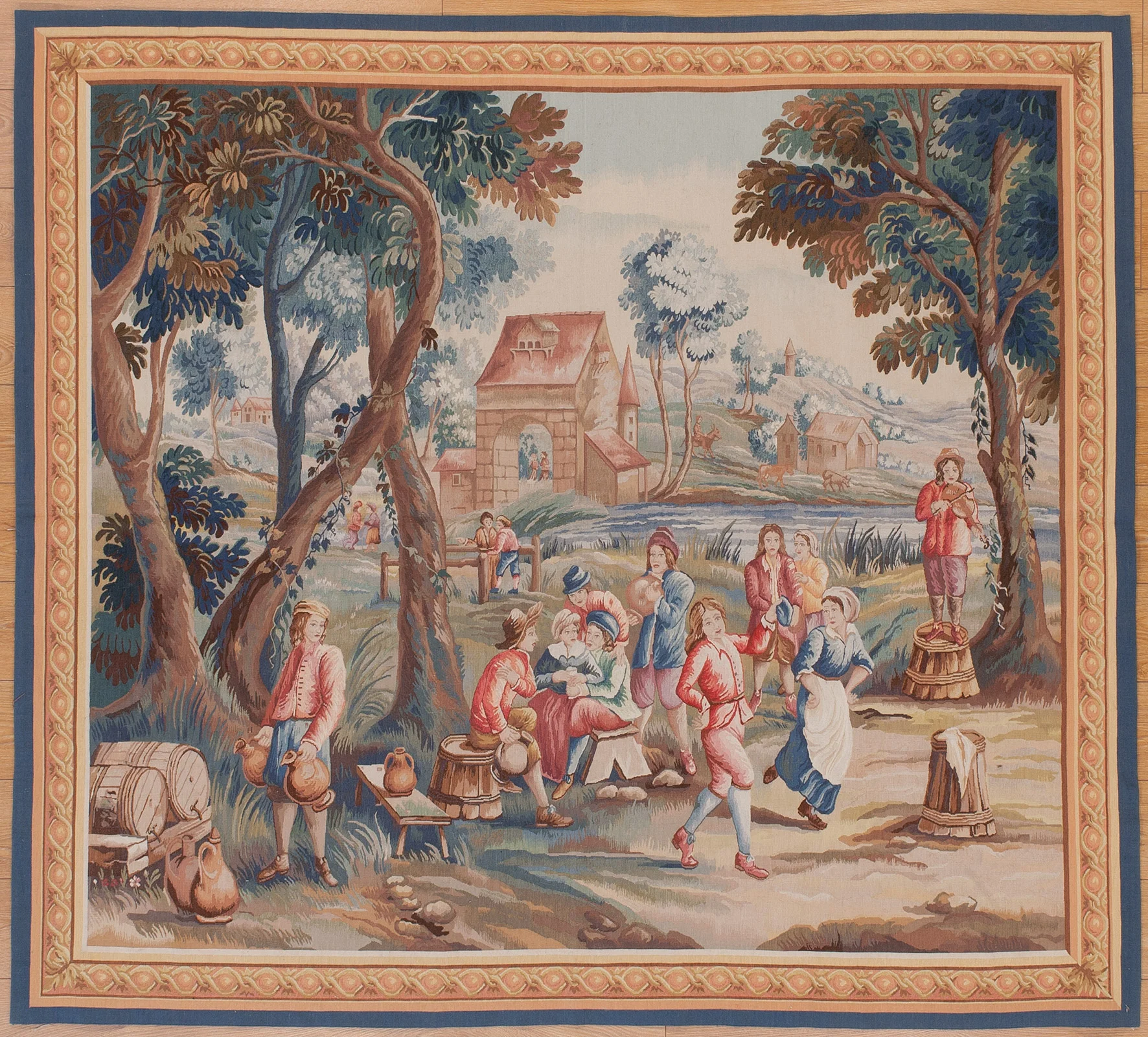

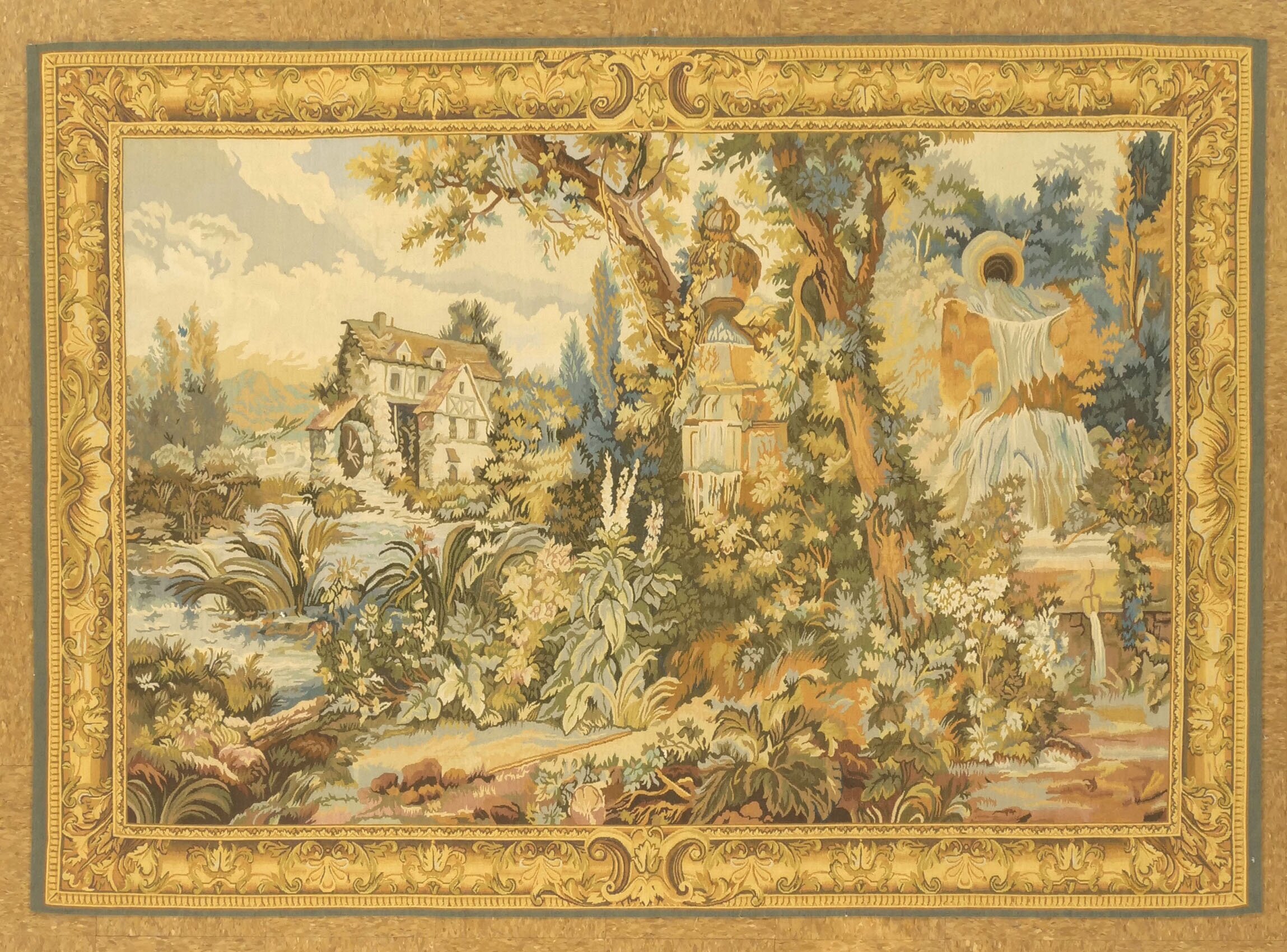


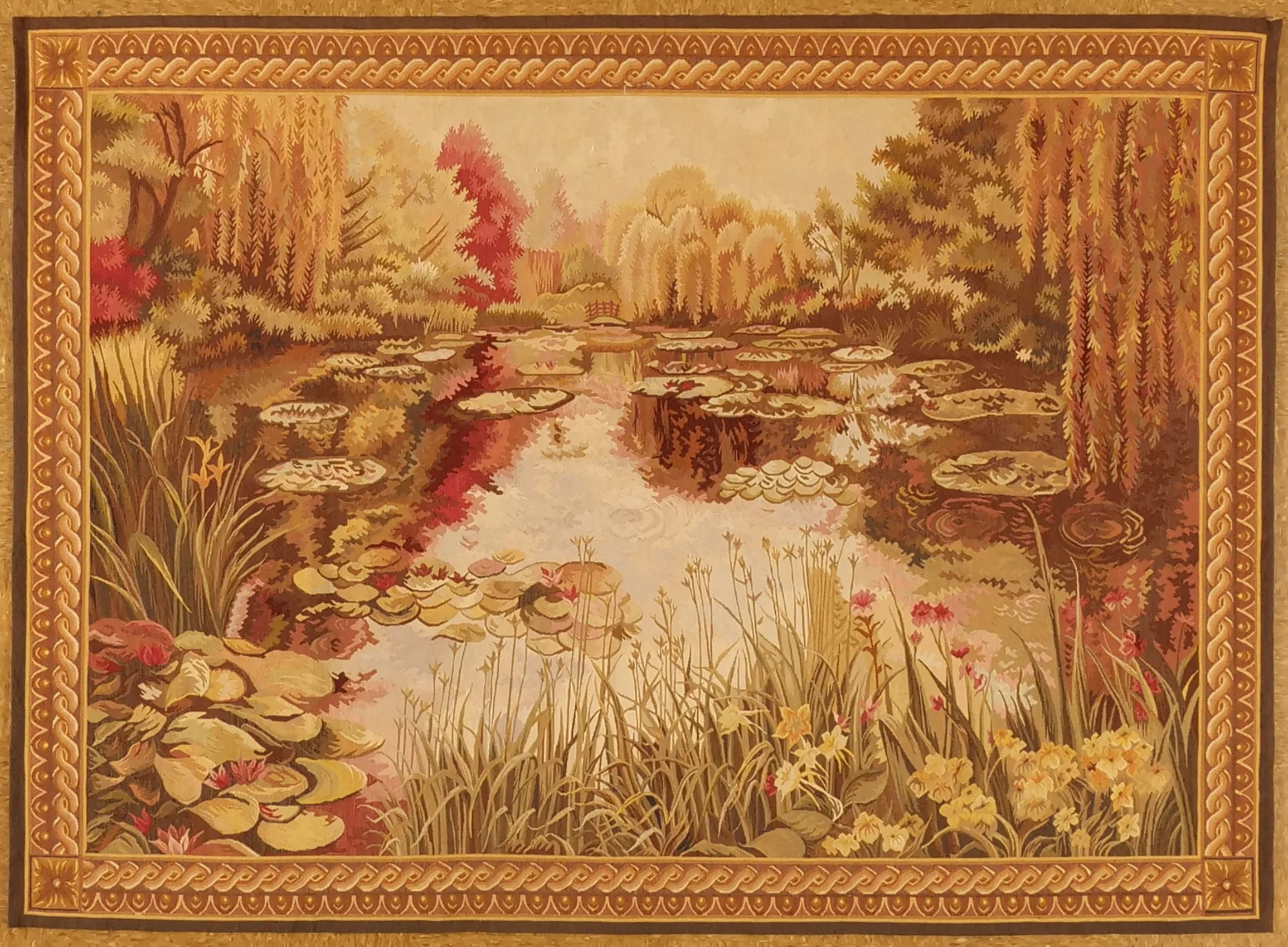


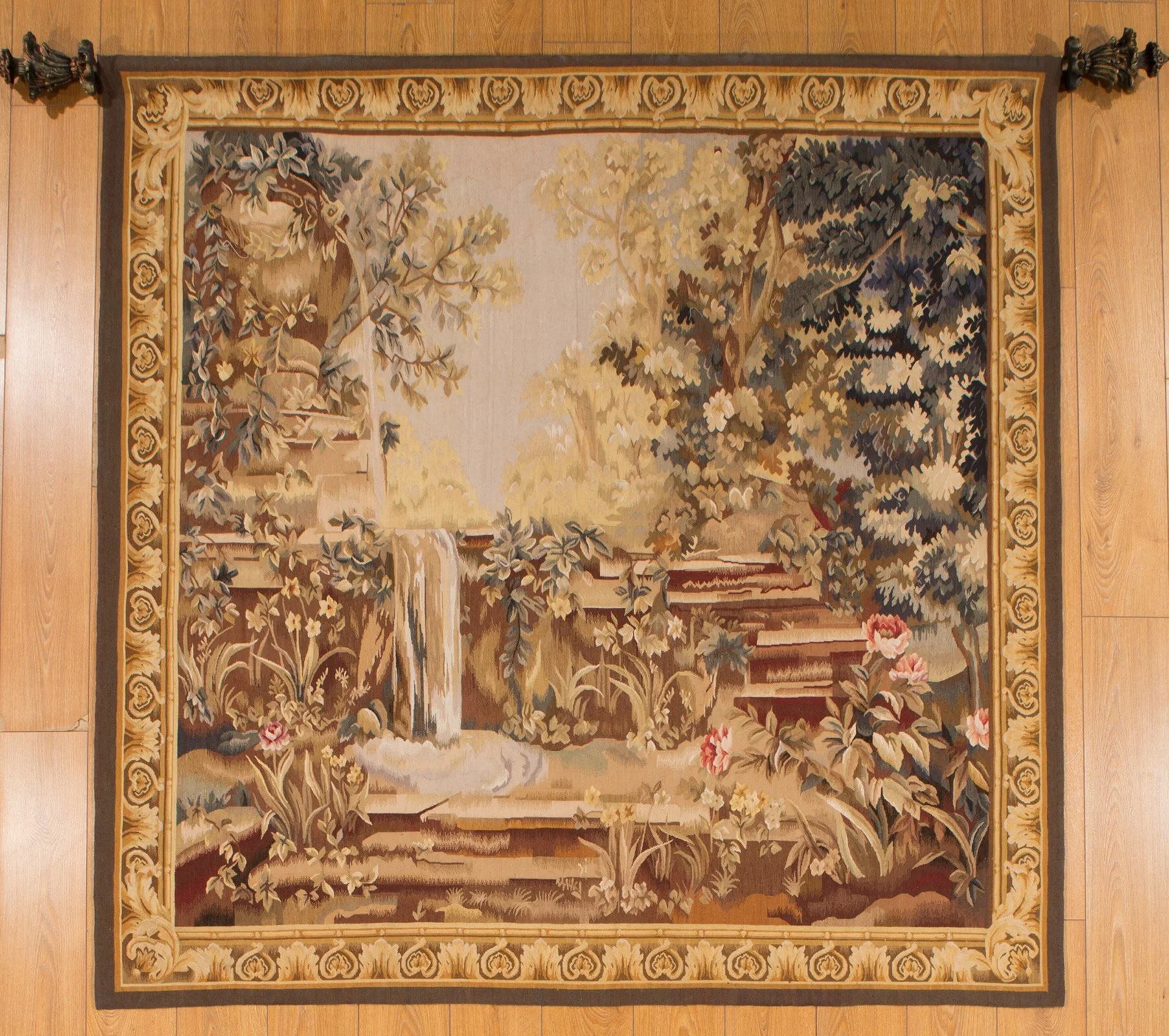


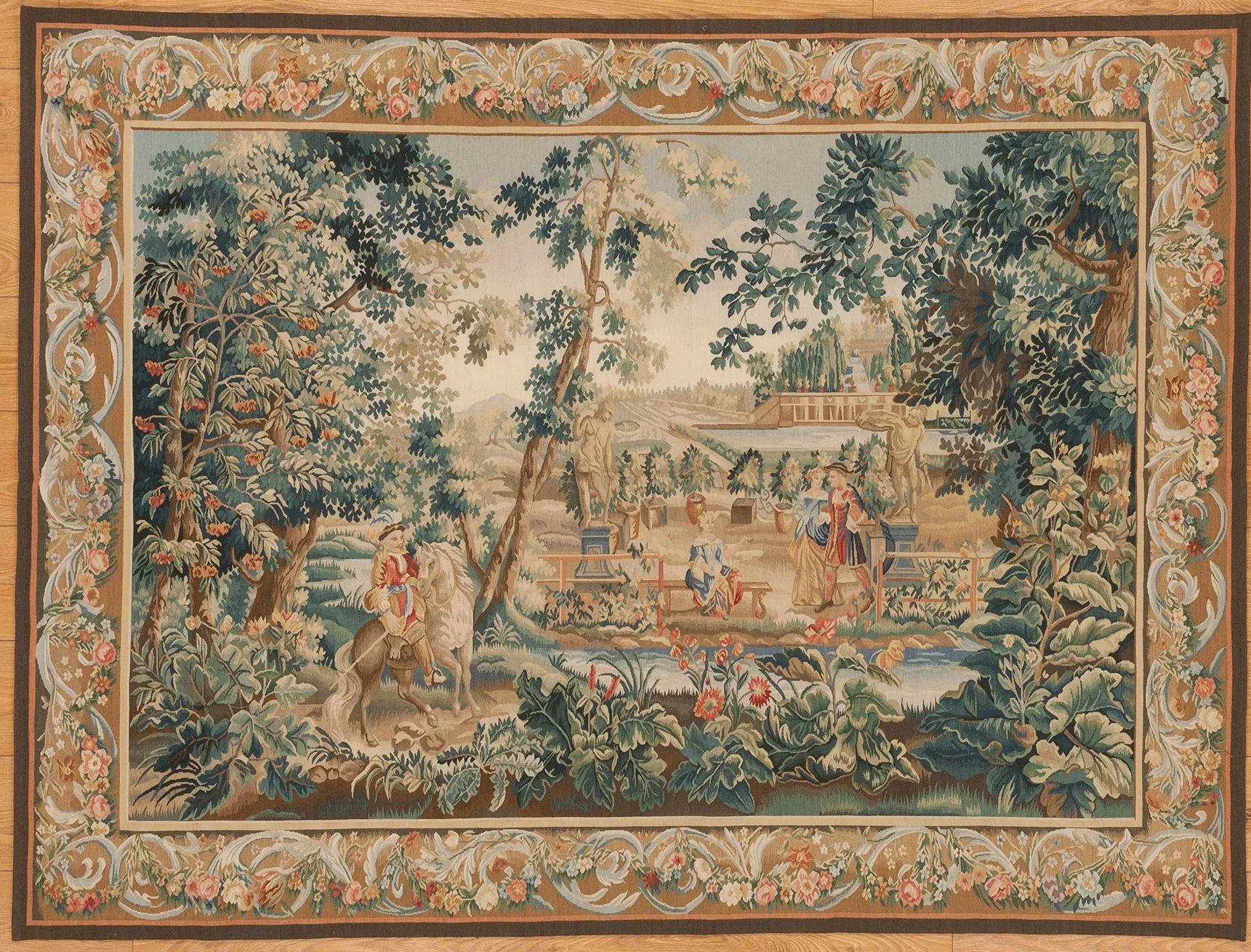

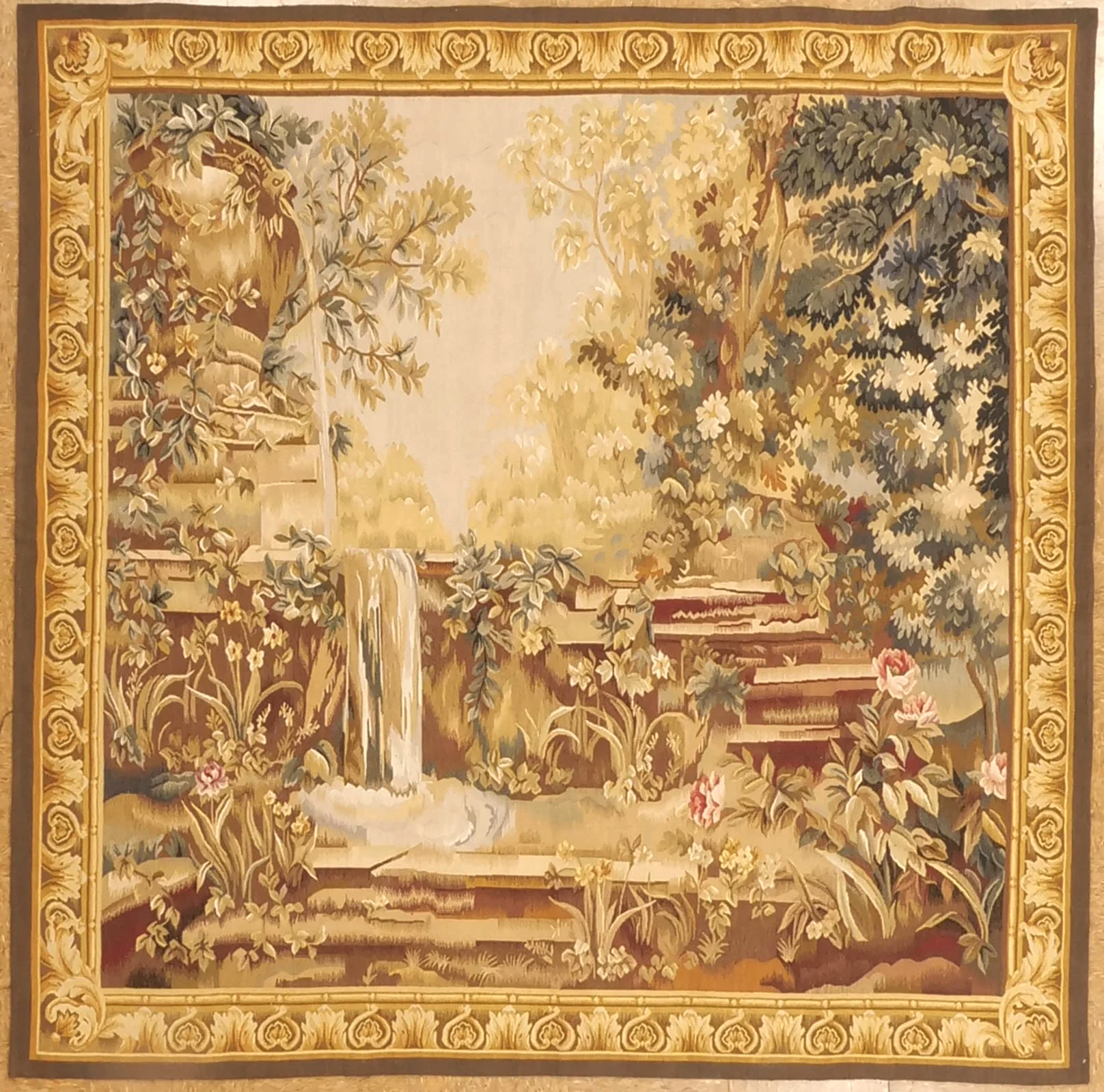







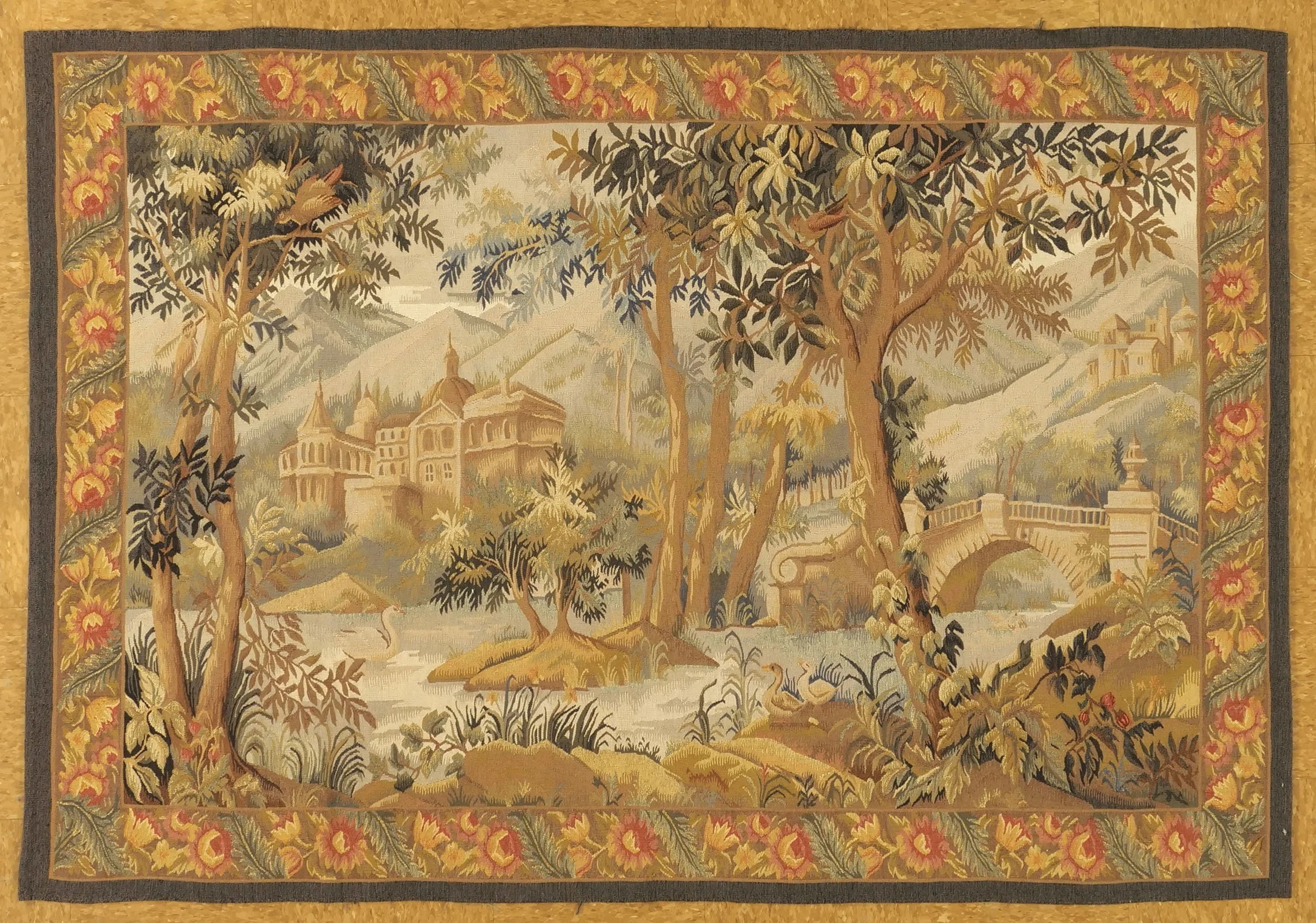


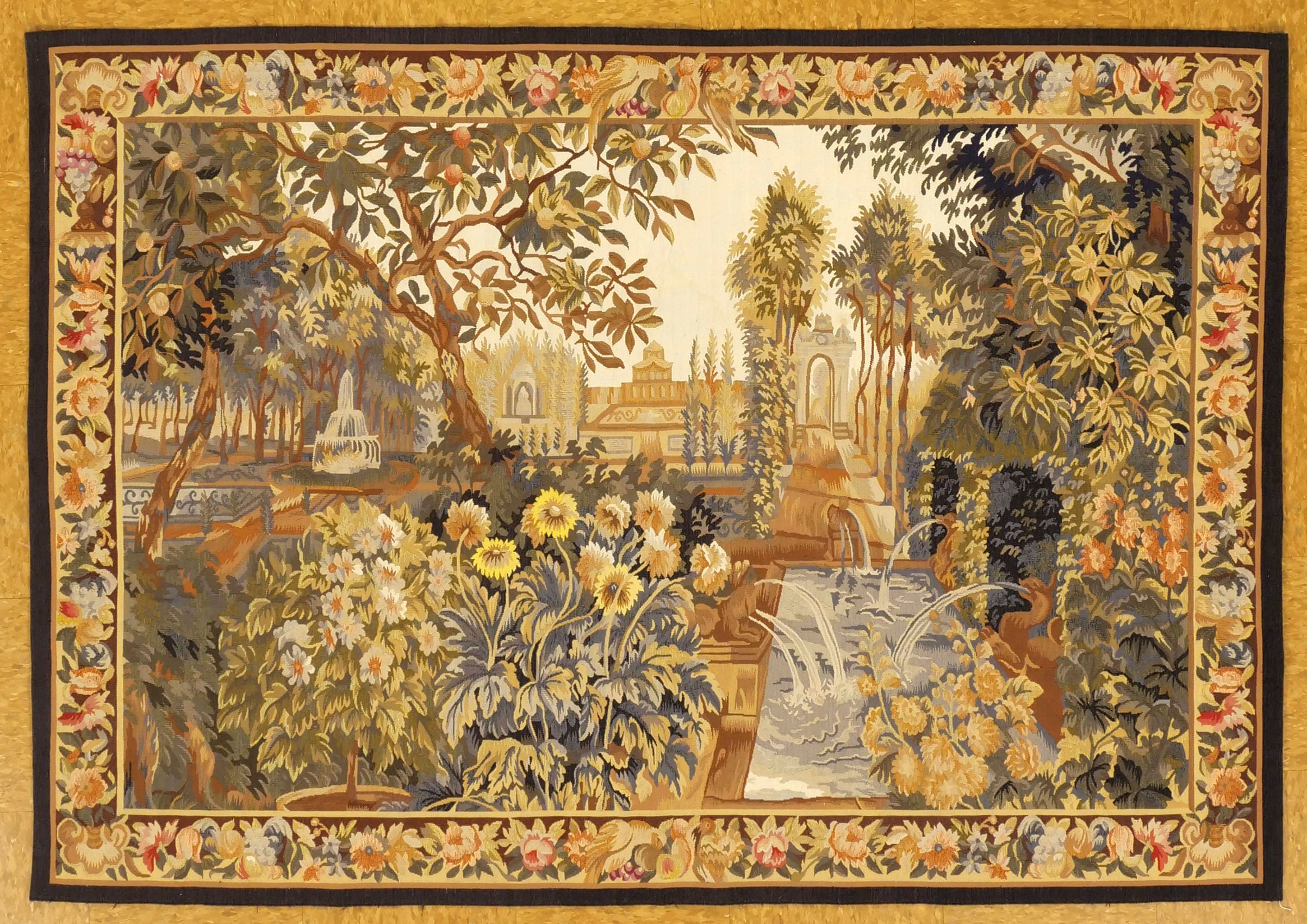


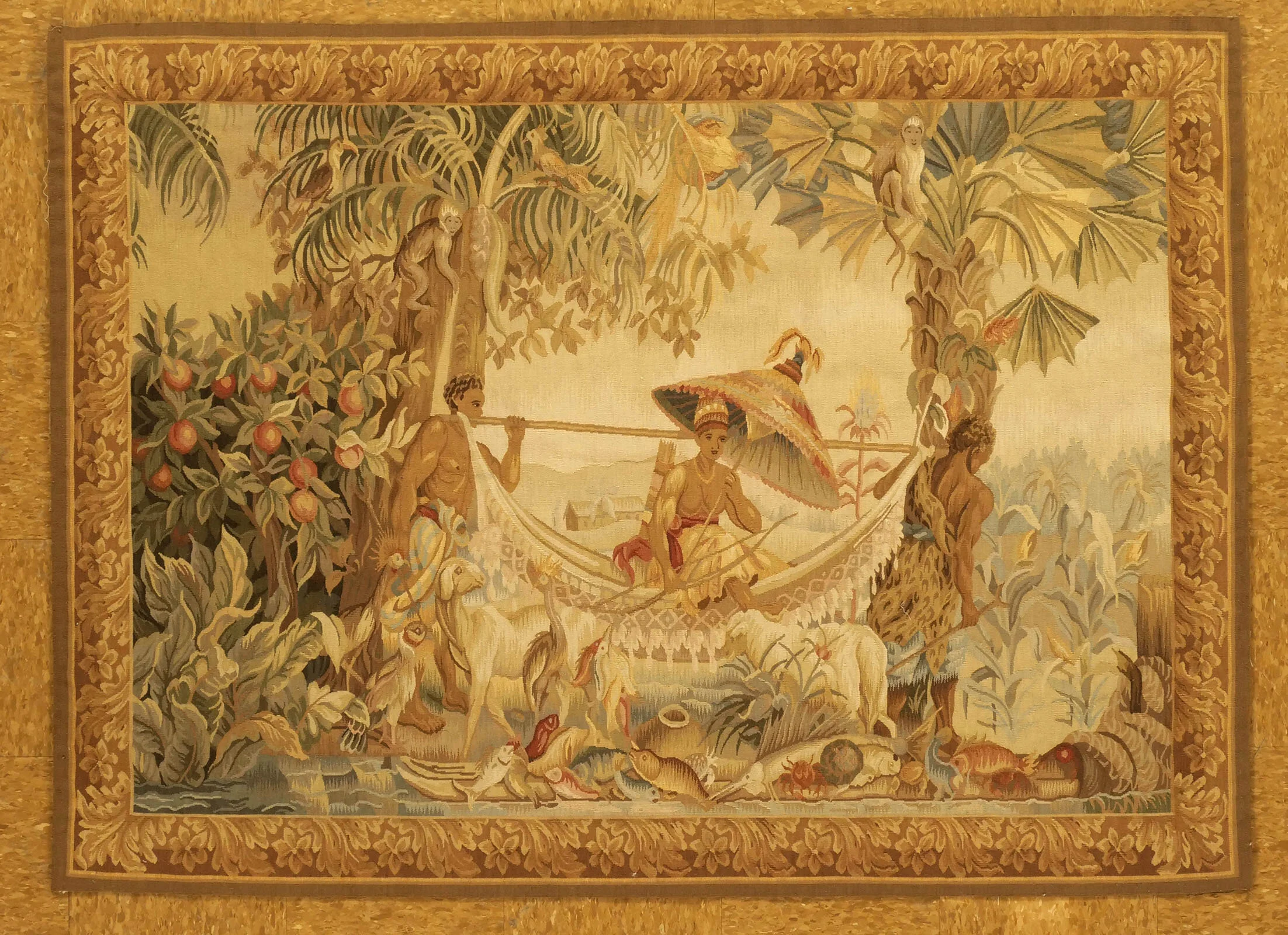


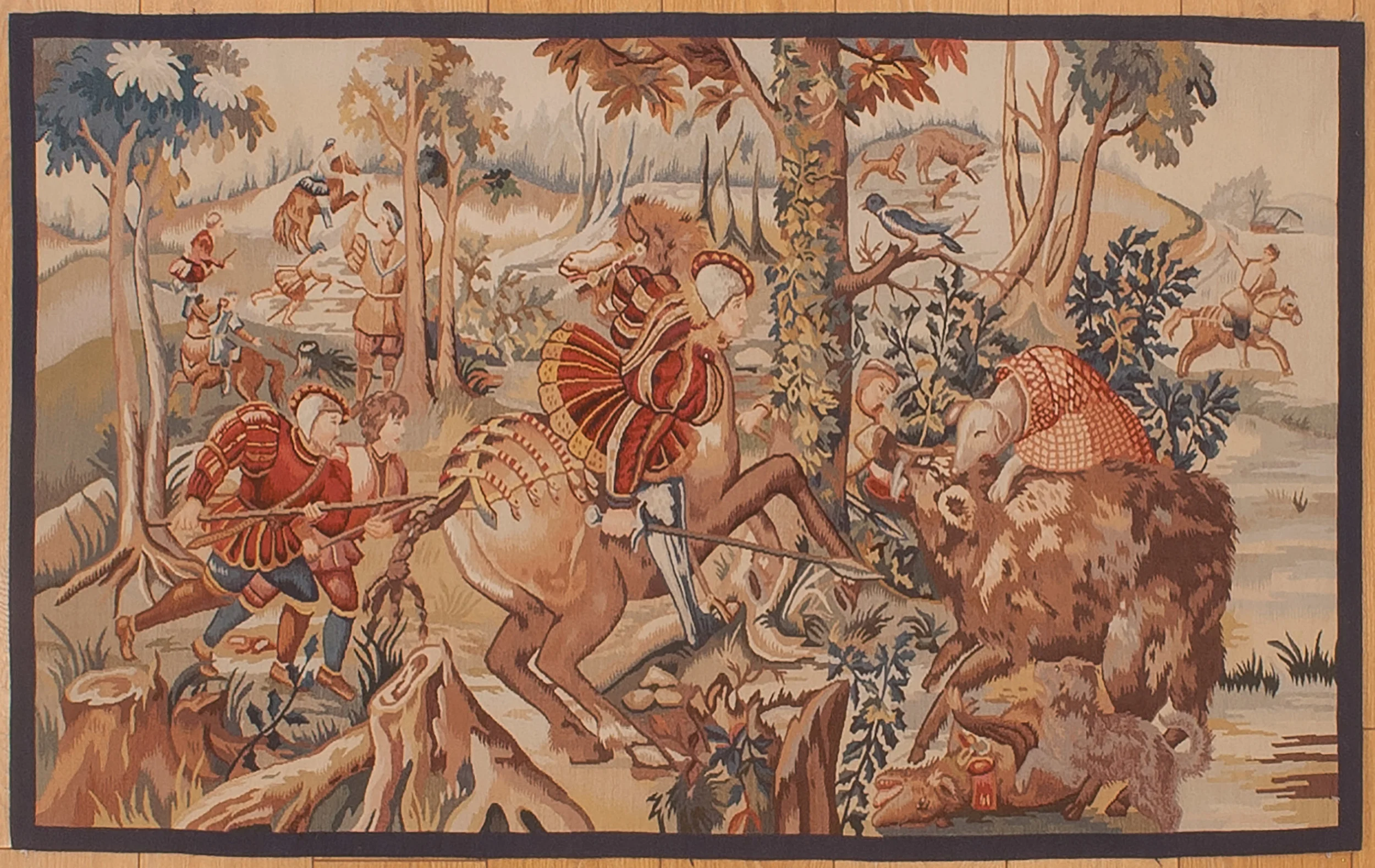

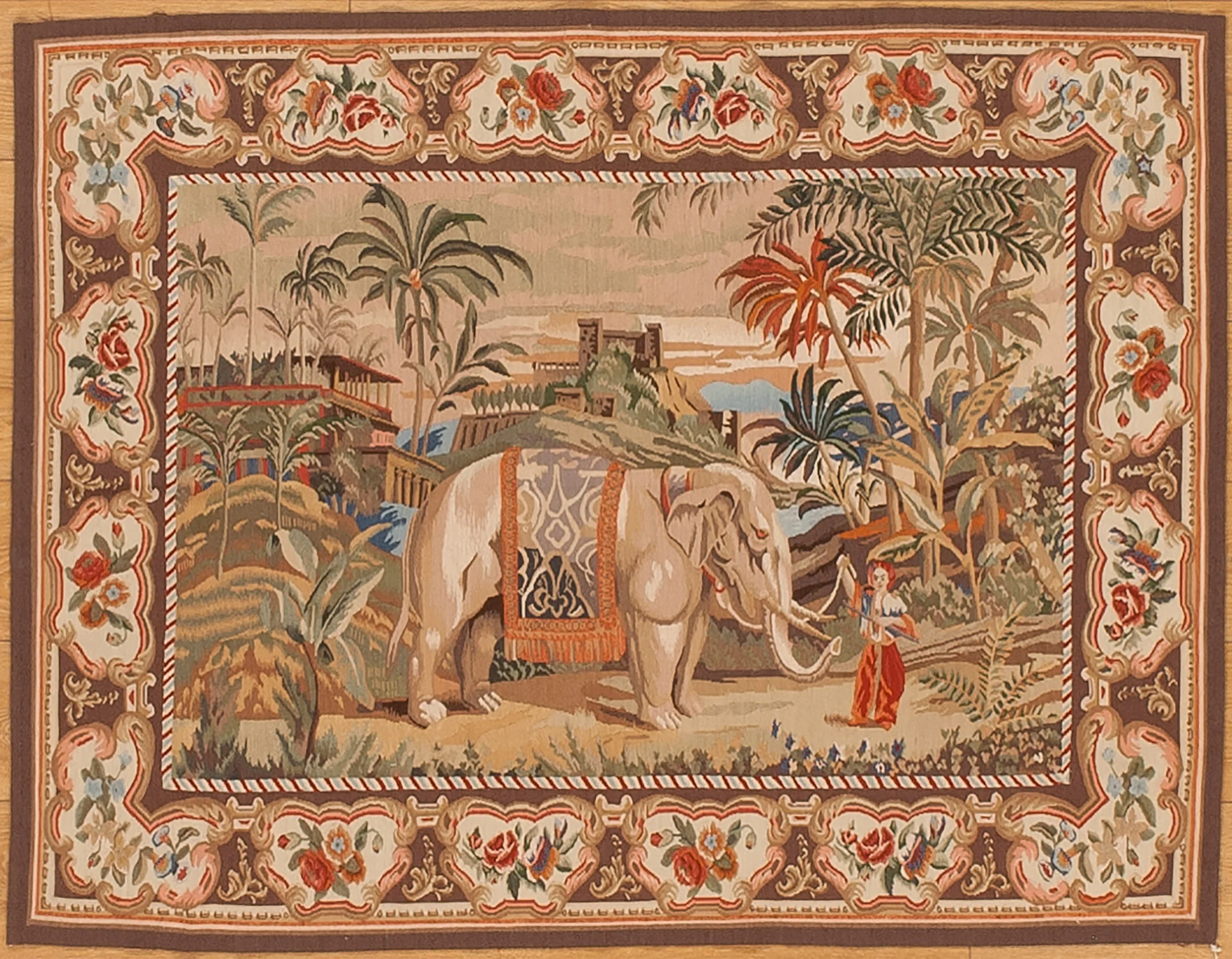


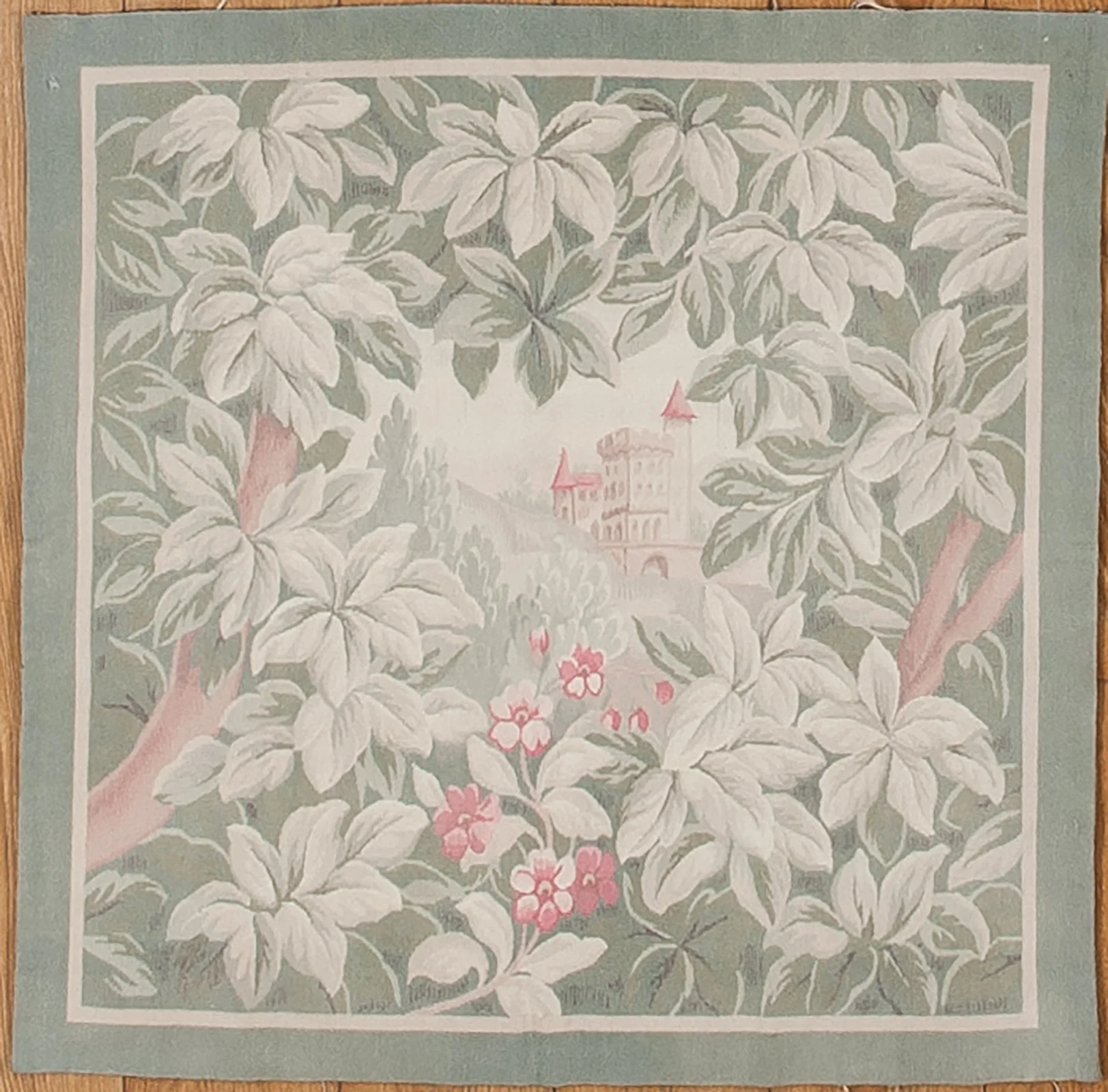

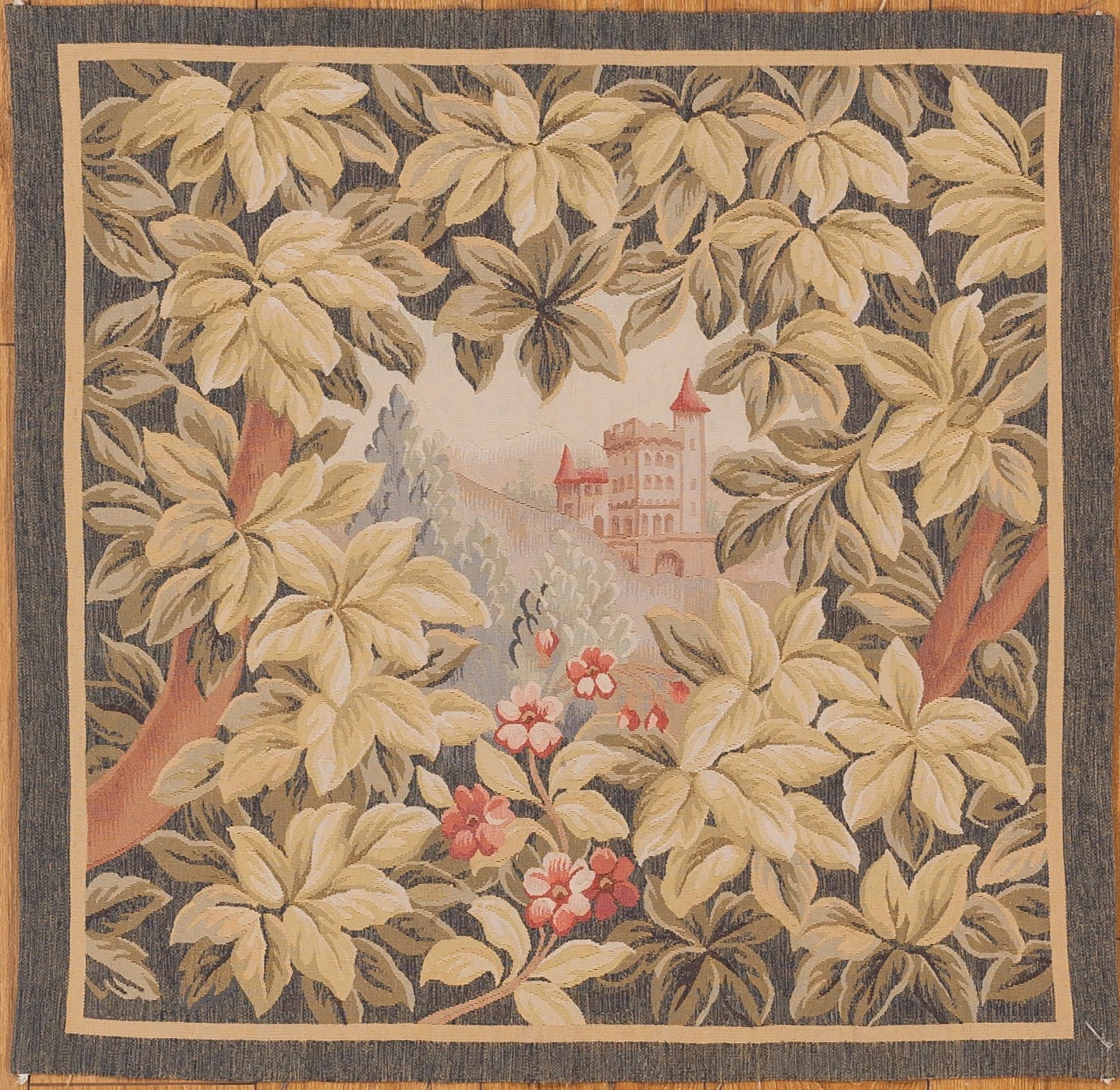


What Makes a Tapestry
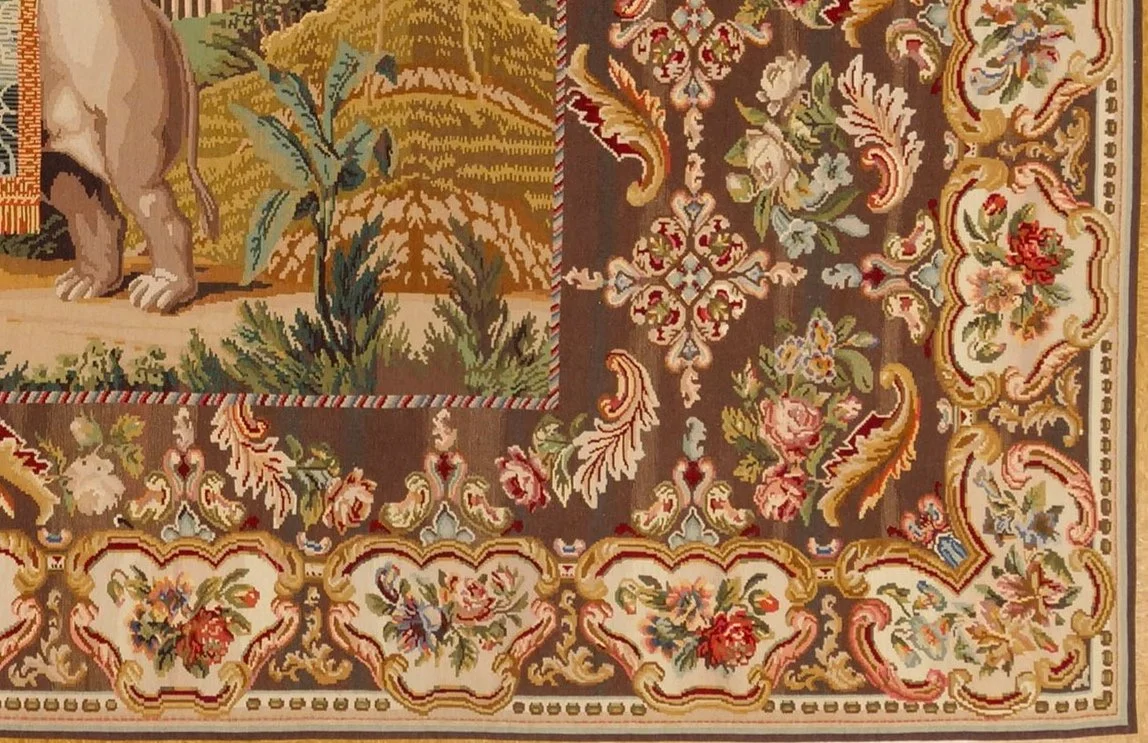
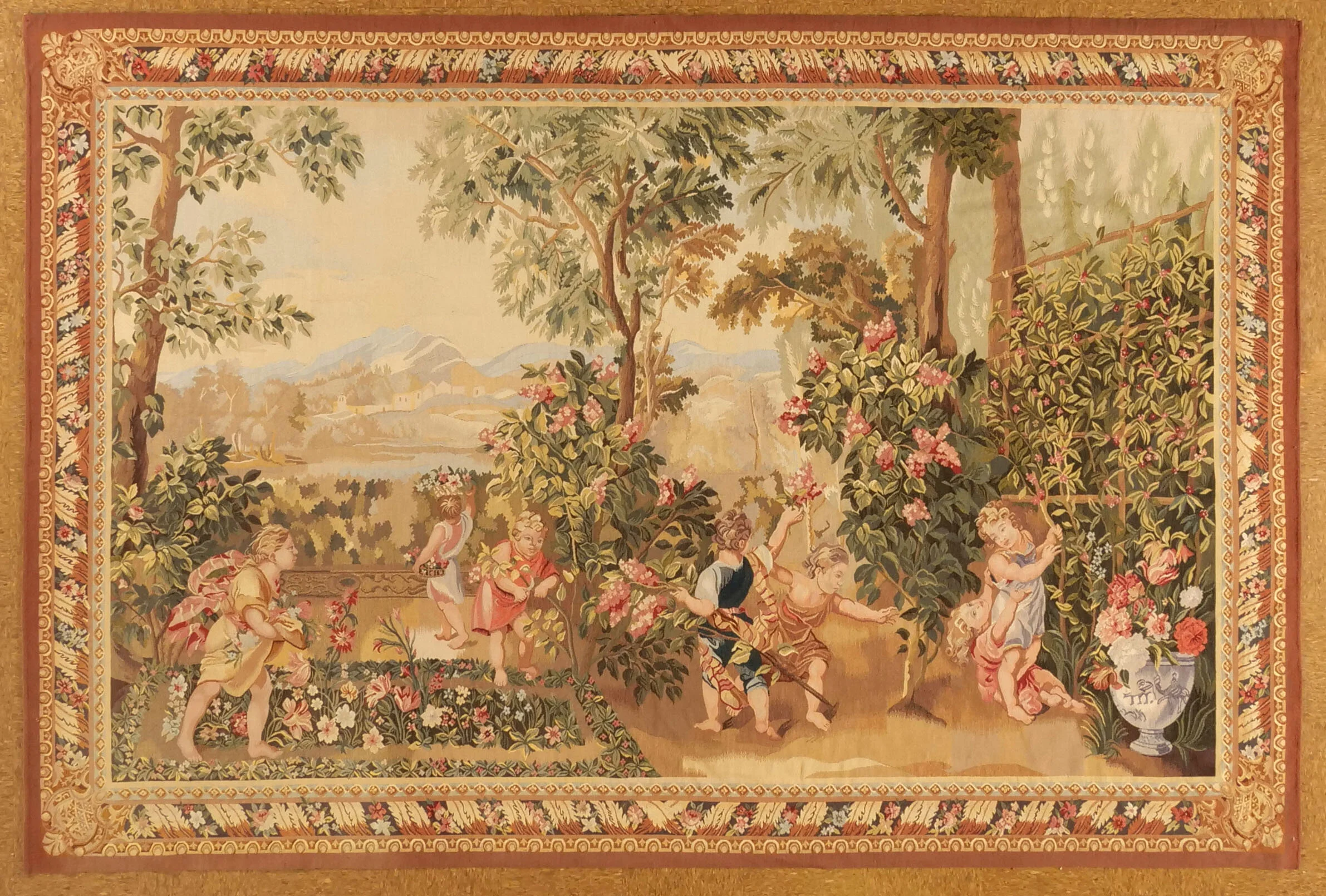
A tapestry is a weft-faced weave: the design is built directly into the fabric as it’s woven, using discontinuous colored wefts, rather than knotted into a pile or stitched onto an existing base.
That’s the key distinction from both rugs and embroidery. A tapestry’s front and back can look almost identical, except that the reverse side will show additional hanging yarns, because the wool is the paint and is woven into the structure itself, not added afterward.
- Materials
- Cotton warp with wool weft, sometimes with silk highlights.
- Subjects
- Verdure landscapes, pastoral scenes, hunts, coats of arms, and mythological narratives.
- Styles
- Gothic and Medieval, Verdure, and Renaissance and Baroque narrative scenes.
- Formats
- Horizontal, vertical, entrefenêtre, and panels.
A Short History of Tapestry Weaving
Tapestry weaving flourished across medieval Europe, with major centers producing dense, symbolic scenes for castles and cathedrals. Some of the most famous surviving examples include The Hunt of the Unicorn (The Met Cloisters, New York), The Lady and the Unicorn (Musée de Cluny, Paris), and The Apocalypse Tapestry (Angers, France).
By the Renaissance and Baroque periods, tapestries had grown into large narrative scenes with grand figures, produced by workshops such as the Gobelins manufactory in Paris. The town of Aubusson developed its own tapestry tradition alongside its flat-woven carpets, and Aubusson tapestry was inscribed on UNESCO’s list of Intangible Cultural Heritage in 2009.
Today, ModRen’s recreations pay homage to the originals down to the last detail. Antique French tapestries continue to be sought after as historical textile art.
Tapestry Glossary
- Weft-faced weave
- A weaving technique where the horizontal weft threads completely cover the vertical warp, allowing a pictorial design to be woven directly into the fabric.
- Verdure
- A tapestry depicting foliage, landscape, or garden scenes, one of the most common subjects in French tapestry weaving.
- Millefleurs
- French for "thousand flowers," a medieval tapestry background style scattered densely with small floral motifs.
- Cartoon
- The full-size painted or drawn design a weaver follows while working a tapestry on the loom.
- Gobelins
- A renowned Paris tapestry manufactory founded in the 17th century, historically associated with grand narrative tapestries for the French crown.
- Provenance
- The documented history of ownership of a tapestry, a key factor in authenticating and valuing antique pieces.
Tapestry vs. Rug vs. Embroidery
These three are often confused. Here’s the real distinction.
| Attribute | Tapestry | Area Rug | Needlepoint (Embroidery) |
|---|---|---|---|
| Construction | Woven directly into the fabric structure with no knots, made for hanging, and created after lifelike paintings | Knotted pile or flat weave, made for the floor | A simple technique worked onto an existing canvas, following a pattern |
| Made for | Wall hanging (some Aubusson tapestries double as rugs) | Floor covering | Wall panels, framed pieces, decorative accents |
| Materials | Wool and at times silk on a cotton foundation | Wool, silk, cotton foundation | Wool on canvas |
| Pattern method | Created following a full-scale hand-painted rendering or a graph with numbers corresponding to colors | Knotted or woven into the pile | Added after the base fabric already exists |
| Common motifs | Verdure landscapes, hunts, coats of arms, pastoral scenes | Medallions, borders, floral or geometric motifs | Floral sprays, monograms, scenic panels |
A tapestry’s picture is woven into the fabric itself; an embroidery’s picture is stitched onto fabric that already exists. That’s the fastest way to tell the two apart.
How to Buy at ModRen
Browse for Inspiration
Our 250+ tapestries show the range of size, subject, and period available.
Tell Us What You Want
Room size, palette, period, and budget, sent directly to our team.
We Source Options
Drawing on 30+ years of trade relationships and our extensive inventory.
Trial It, Then Decide
See it in your home (USA only). We ship worldwide via FedEx, UPS, and DHL.
Nice selection of French style Aubusson, Savonnerie carpets, and tapestries. Jeffrey was a pleasure to work with all around.
Caring for a Tapestry
Tapestries are wall art first, and reward the same care as a fine textile.
- Hang out of direct sunlight to prevent fading of natural dyes.
- Use a sleeve, rod pocket, or Velcro hanging system rather than nails through the fabric.
- Dust gently with a soft brush attachment on low suction.
- Avoid high-humidity or damp walls, which can encourage mildew over time.
- Have antique or fragile pieces cleaned and conserved by a professional textile specialist.
Frequently Asked Questions
What is a tapestry?
Also known as Aubusson tapestry in the French tradition, a tapestry is a hand-woven textile in which the design is built directly into the fabric as it’s woven, rather than knotted into a pile or stitched on afterward. A tapestry is always made for hanging on the wall.
What is the difference between a tapestry and a rug?
A tapestry is a flat, weft-faced weave made primarily for hanging, while a rug is knotted or woven specifically for the floor and built to withstand foot traffic. Though the technique of Aubusson carpets and tapestries is the same, tapestries use a thinner warp, giving a finer, thinner result, at times with silk highlights. Some Aubusson-technique pieces are woven flexibly enough to serve as either.
What is the difference between a tapestry and embroidery?
A tapestry’s pattern is woven directly into the fabric structure as the piece is made. Embroidery is stitched onto a fabric that already exists. That’s the fastest way to tell them apart: on a tapestry, the front and back look nearly identical; on embroidery, the stitching sits visibly on top of the base cloth with a coarser appearance.
What are the most famous tapestries in the world?
Among the best known are The Hunt of the Unicorn, housed at The Met Cloisters in New York, The Lady and the Unicorn at the Musée de Cluny in Paris, and The Apocalypse Tapestry in Angers, France, one of the largest surviving medieval tapestry cycles.
What is a verdure tapestry?
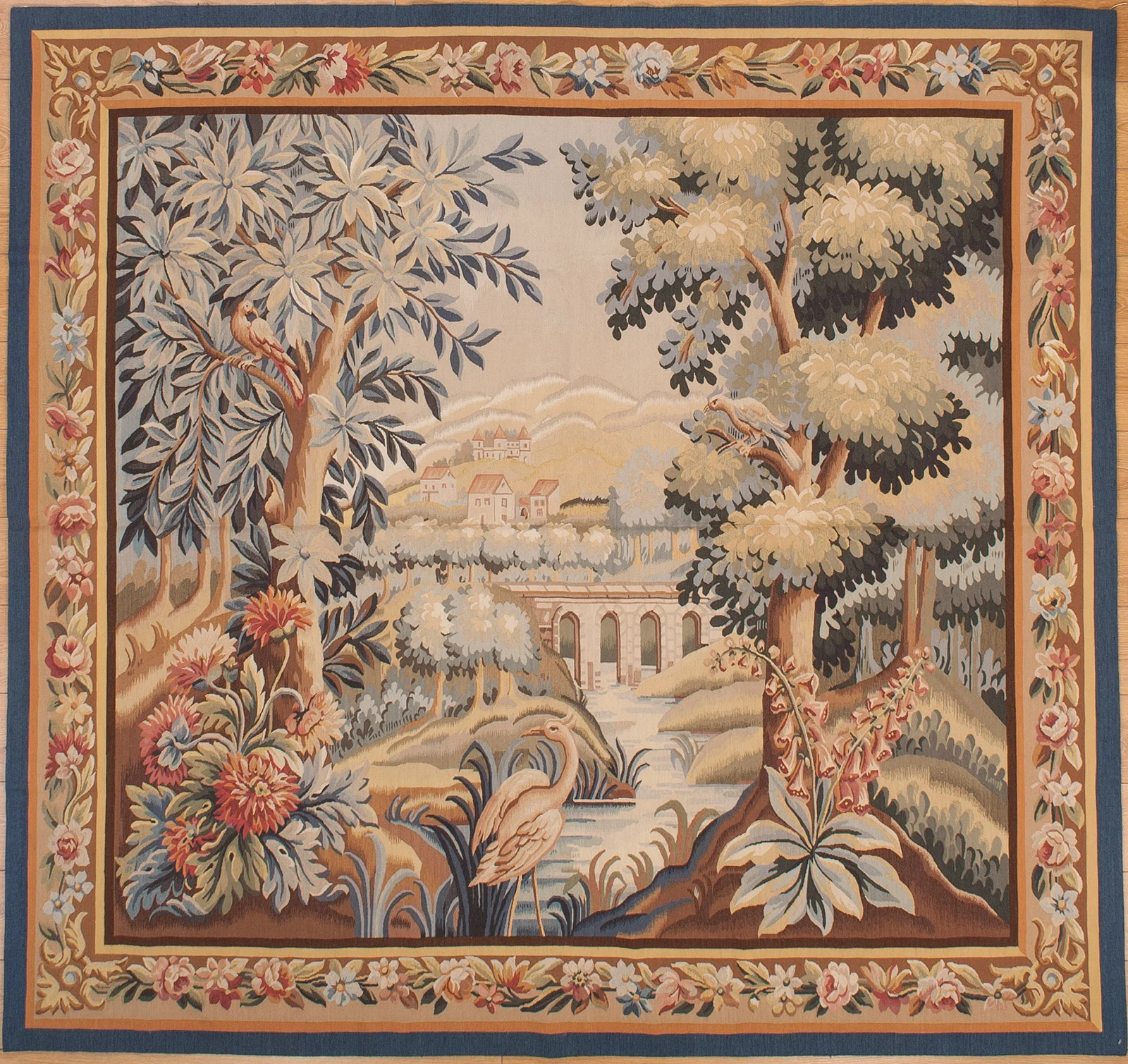
A verdure tapestry depicts foliage, landscape, or garden scenes, often with dense greenery, trees, and sometimes animals or birds. It’s one of the most enduring subjects in French tapestry weaving, including Aubusson production.
How do you hang a tapestry?
Most tapestries hang from a rod placed through a sleeve or rod pocket sewn along the top edge. An alternative technique is a Velcro strip sewn onto the back of the tapestry and then applied to a wooden strip or directly onto the wall.
Are antique tapestries valuable?
Yes. Antique handwoven tapestries in good condition with detailed scenes and clear provenance are collected as fine textile art. Value depends on age, weaving fineness, condition, size, and subject matter.
How can you tell if a tapestry is valuable?
Value comes from age, weaving fineness, condition, size, subject matter, and provenance. Hand-woven antique tapestries with natural dyes, detailed scenes, minimal restoration, and documented history are worth the most. A specialist appraisal is the reliable way to confirm value.
Where can I buy tapestries online?
ModRen Rugs offers 250+ tapestries to browse online, primarily in the Aubusson tradition, with worldwide shipping. Browse the collection above, then contact us to inquire about a specific piece or size.
Does ModRen sell new or antique tapestries?
ModRen primarily supplies new handwoven recreations made in China using precise French handweaving techniques, under the supervision of French artisans. There are some antique French originals within the collection. Contact us to discuss your needs.
How do you clean or care for a tapestry?
Light dusting with a soft brush on low suction handles everyday upkeep. Keep tapestries out of direct sunlight to protect natural dyes, and have antique or fragile pieces cleaned by a professional textile conservator rather than a standard cleaning service.
How many tapestries does ModRen have in stock?
ModRen currently has 250+ tapestries to browse online, ranging from small framed panels to grand room-scale hangings, with new inventory added regularly.
Can I see a tapestry in my home before I buy it?
Yes. ModRen offers in-home trials on many pieces, so you can see how a tapestry looks on your own wall and in your own light before making a decision (USA only).
What sizes do tapestries come in?
ModRen’s tapestries range from 2 x 3 up to 10 x 14 feet.
Looking for a Specific Savonnerie?
Tell us your room size, colors and requirements and we'll present options for your space.
Contact ModRen Rugs