
Savonnerie Rugs
Savonnerie rugs are hand-knotted French carpets prized for plush pile, framed medallions, and richly detailed floral bouquets in a formal, palace-worthy palette. Drawings for these works were created by architects of the kings in power. Named after a soap (Savon) factory near Paris, they have been woven since the 17th century. ModRen has recaptured the splendor down to the very last detail and currently has 500+ Savonnerie carpets to browse, from finely hand-knotted new recreations to antique originals, in sizes from small rugs to 28+ foot room carpets.
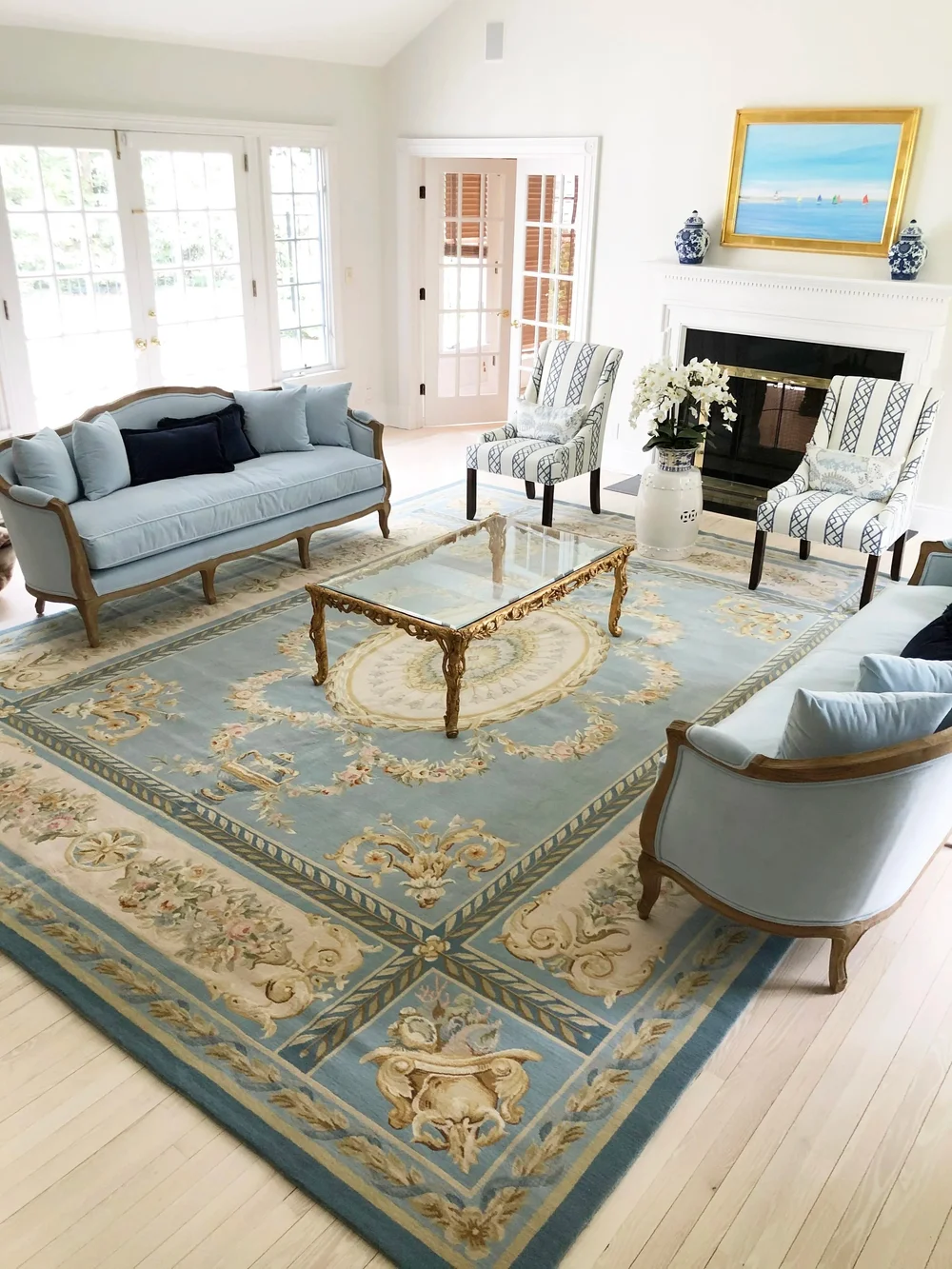
What it is: a hand-knotted, plush-pile French carpet, not a flat weave, without fringes.
Origin: the Savonnerie manufactory near Paris, France.
Woven since: 1626, founded as a royal carpet workshop under Louis XIII.
Materials: wool pile on cotton or linen warps, occasionally with silk highlights.
Available at ModRen: 500+ Savonnerie rugs and carpets, in sizes from small to 28+ feet.
Page last updated: August 2026.
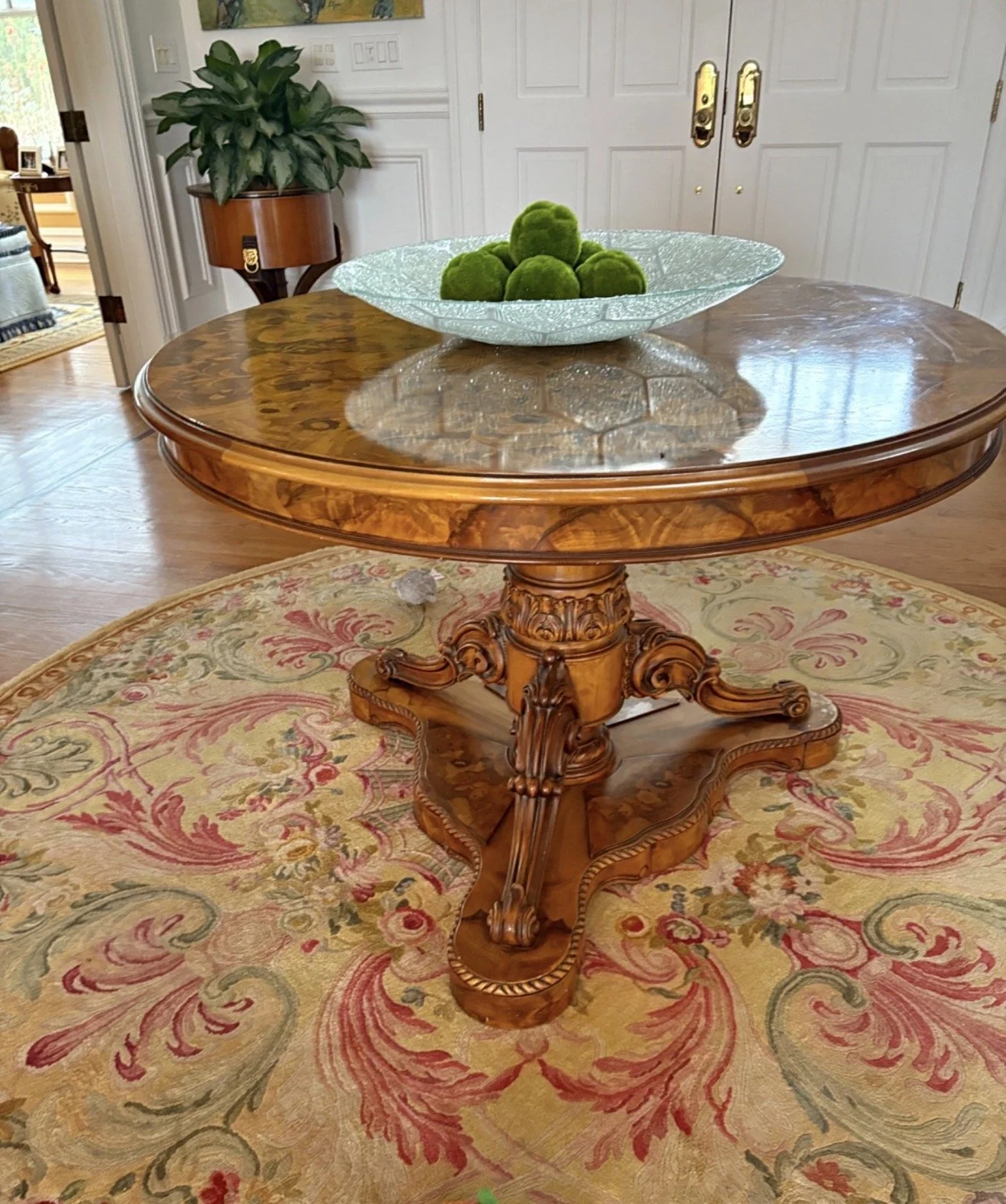
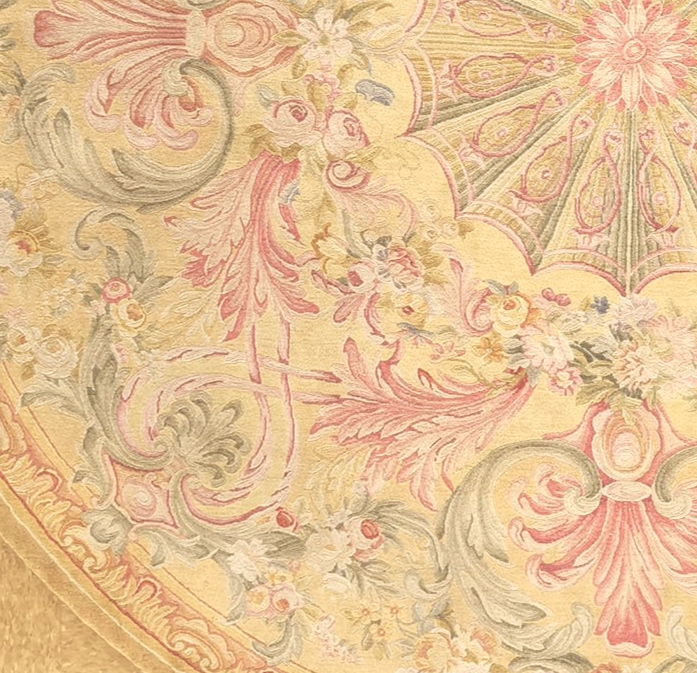
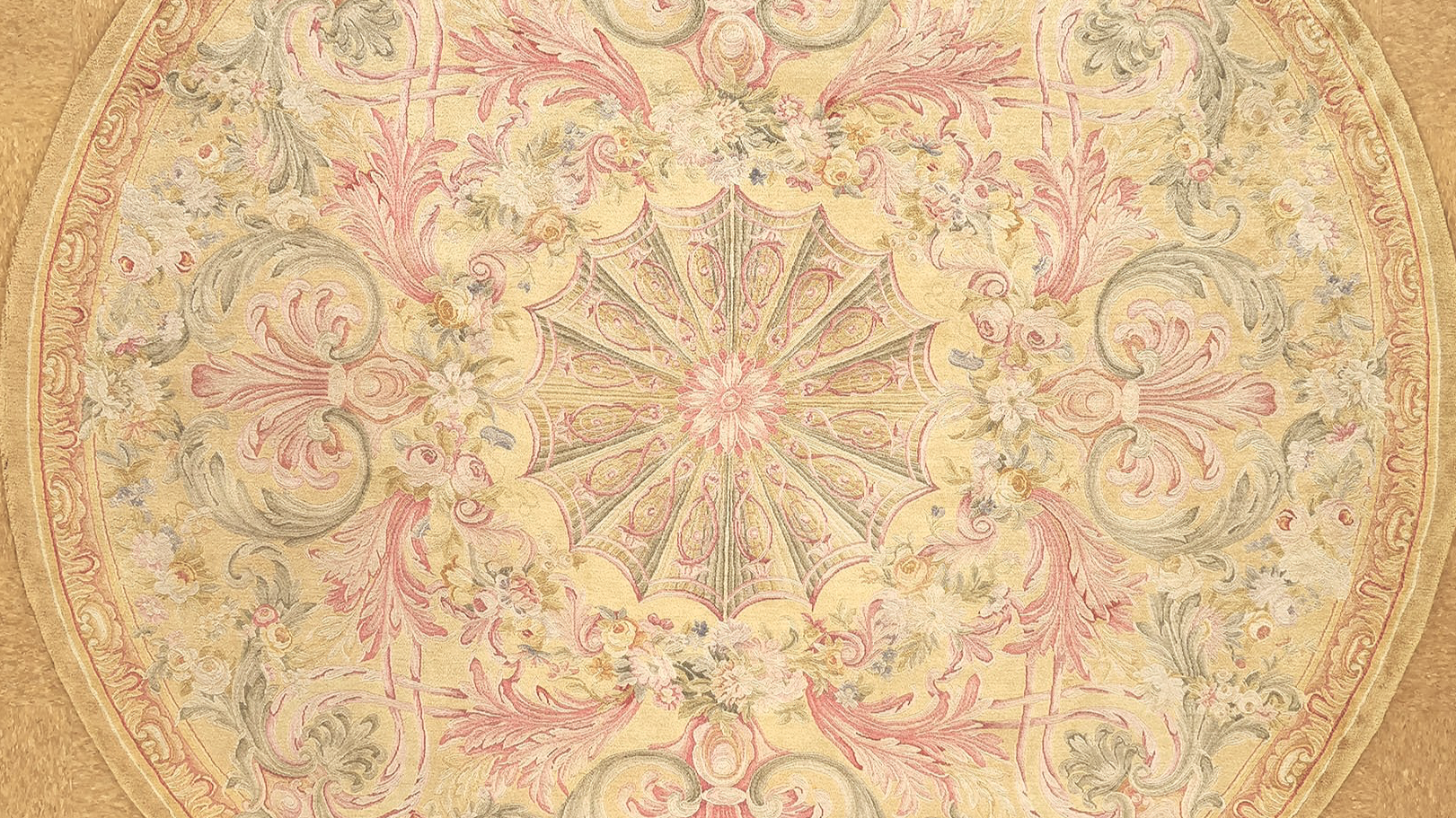
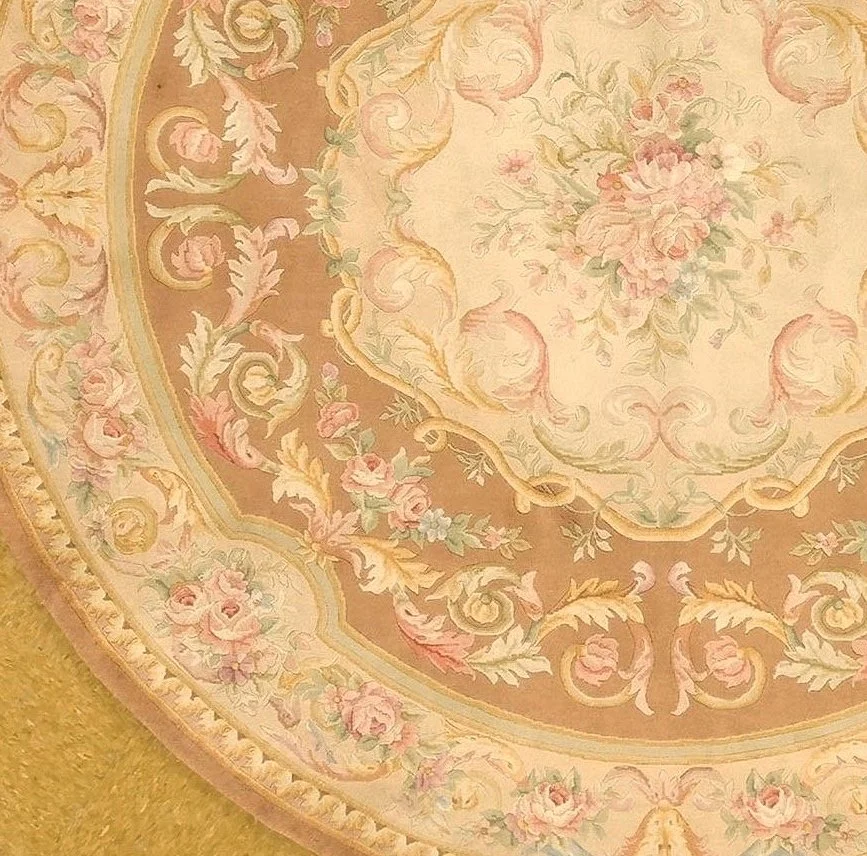
Savonnerie Rugs by Size & Shape


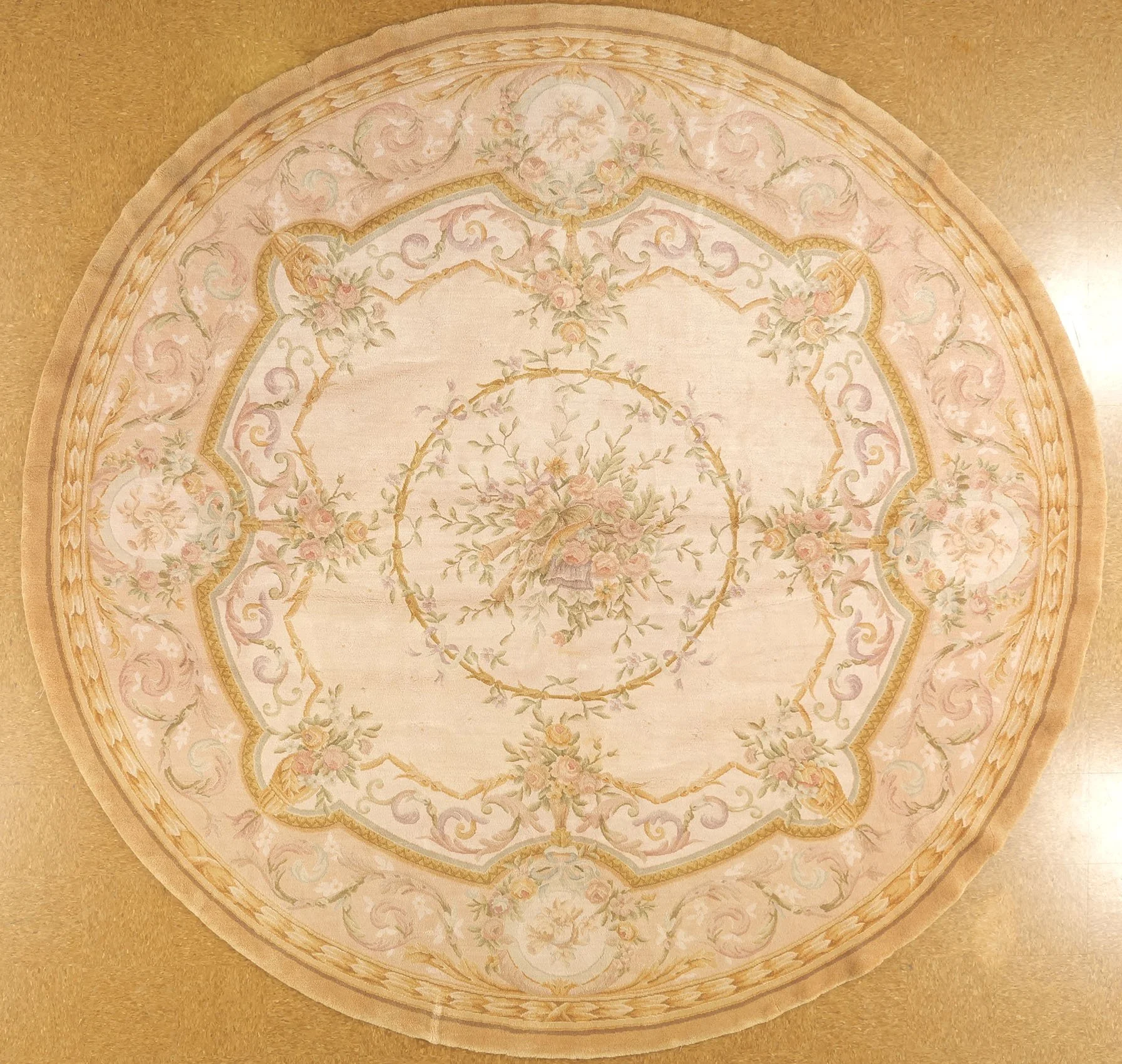

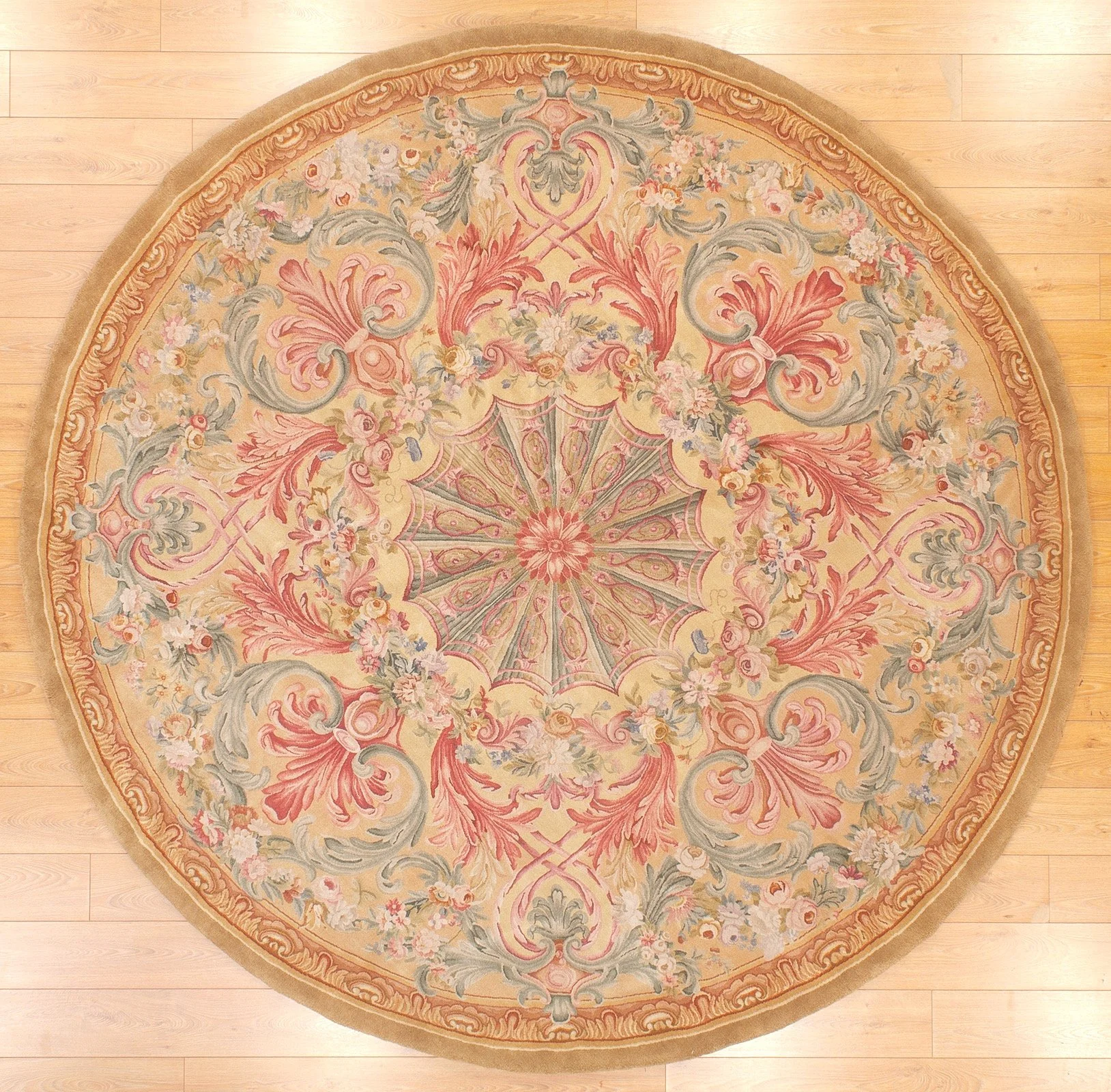

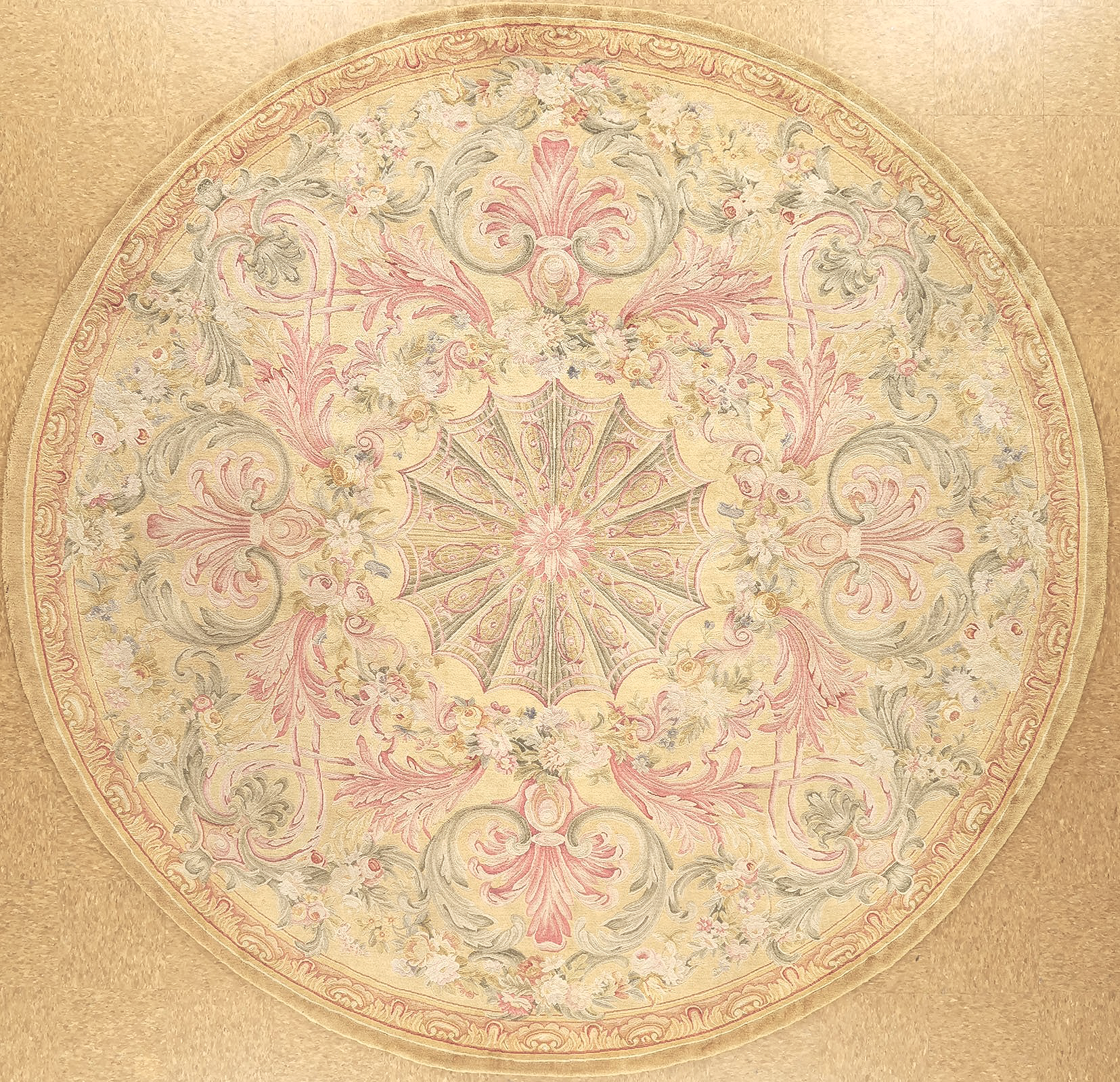




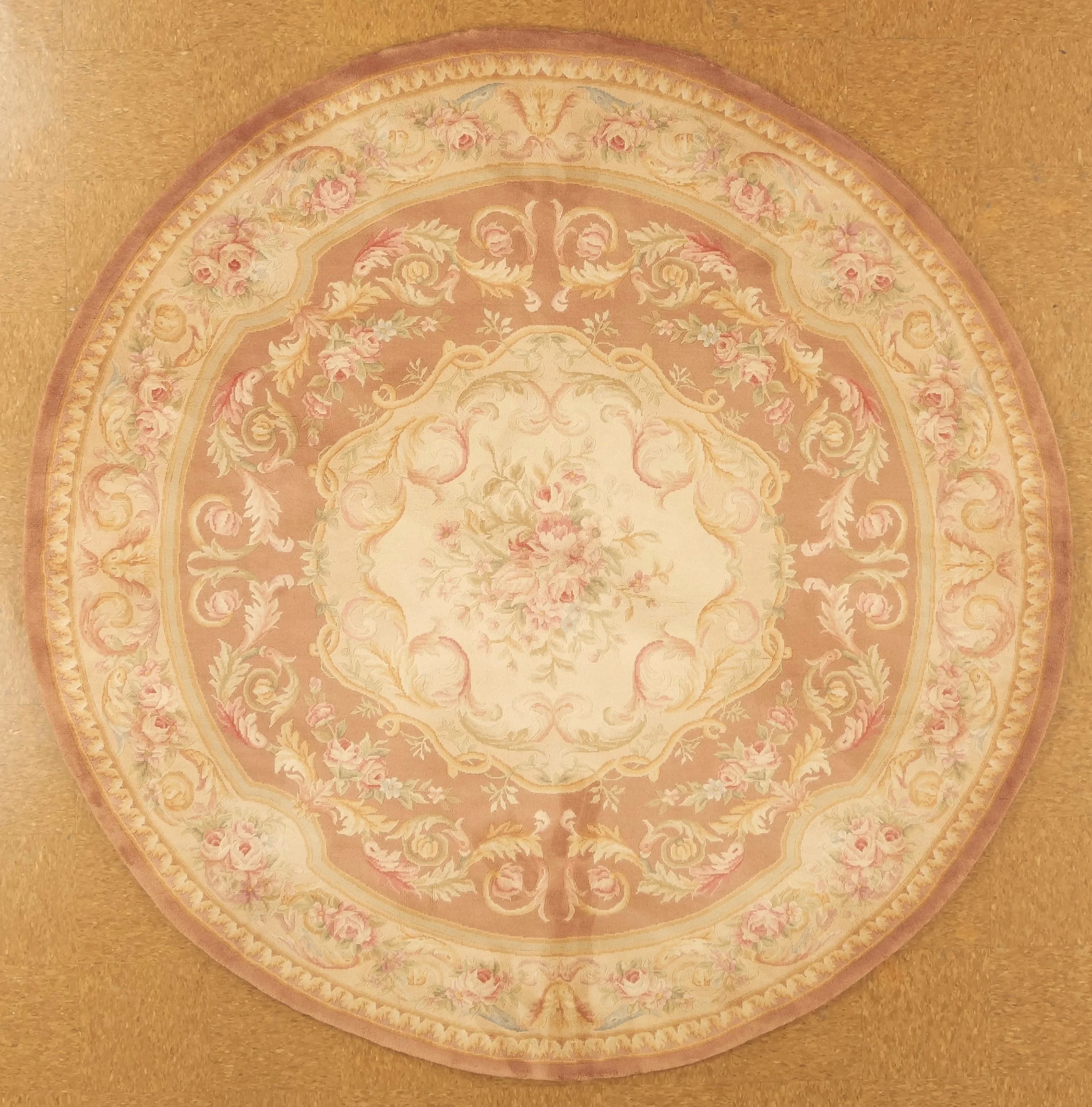


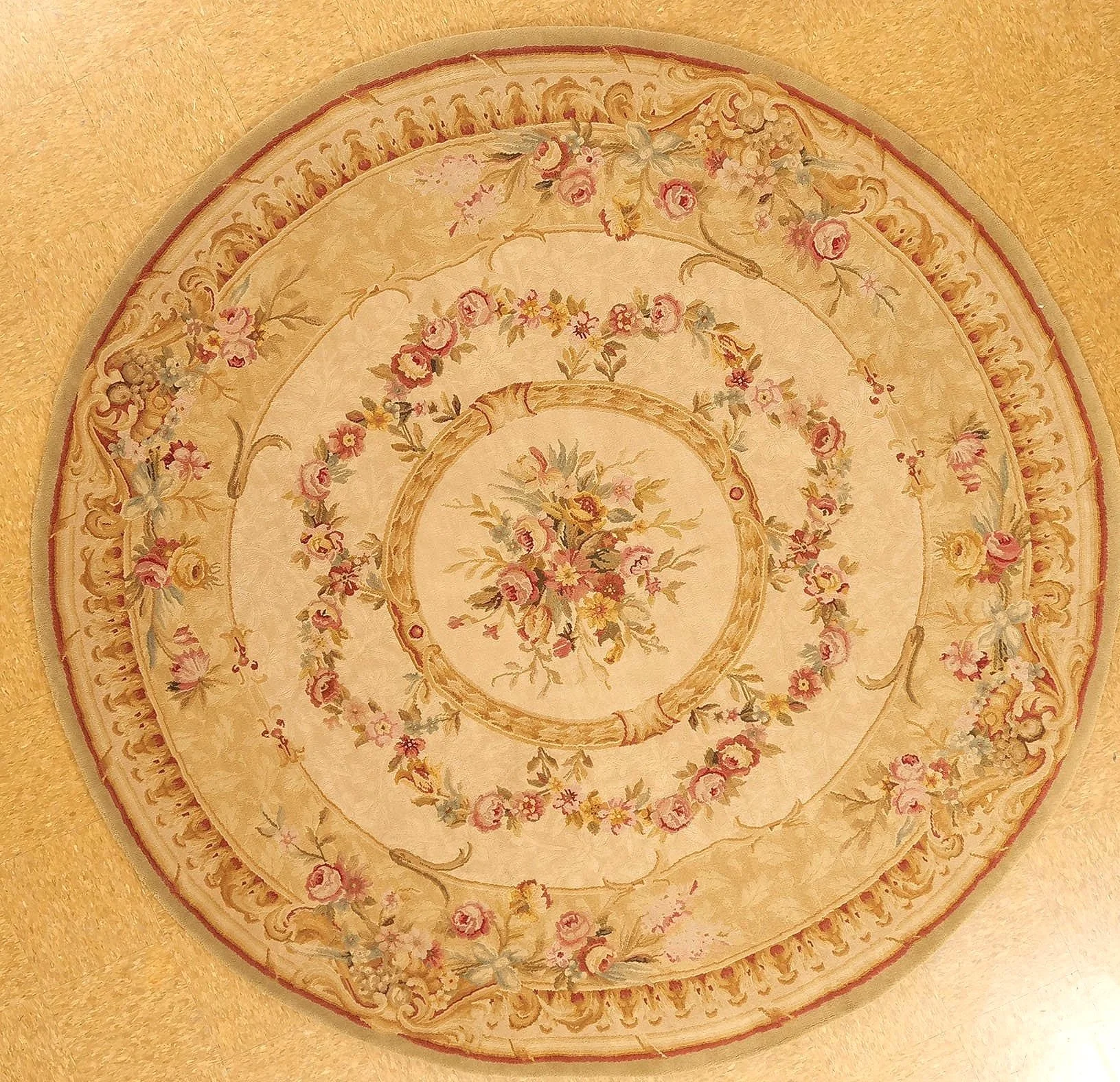


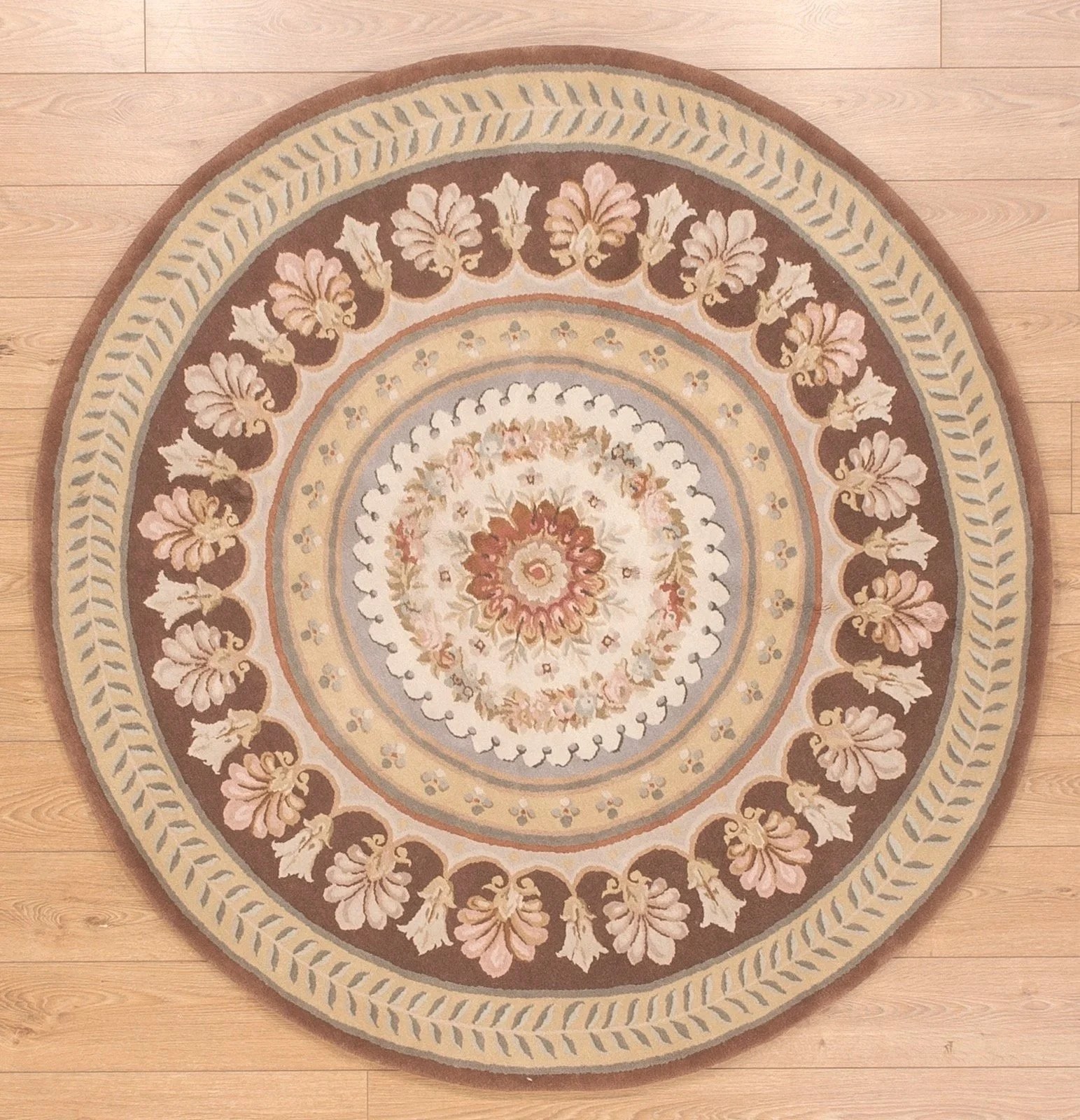
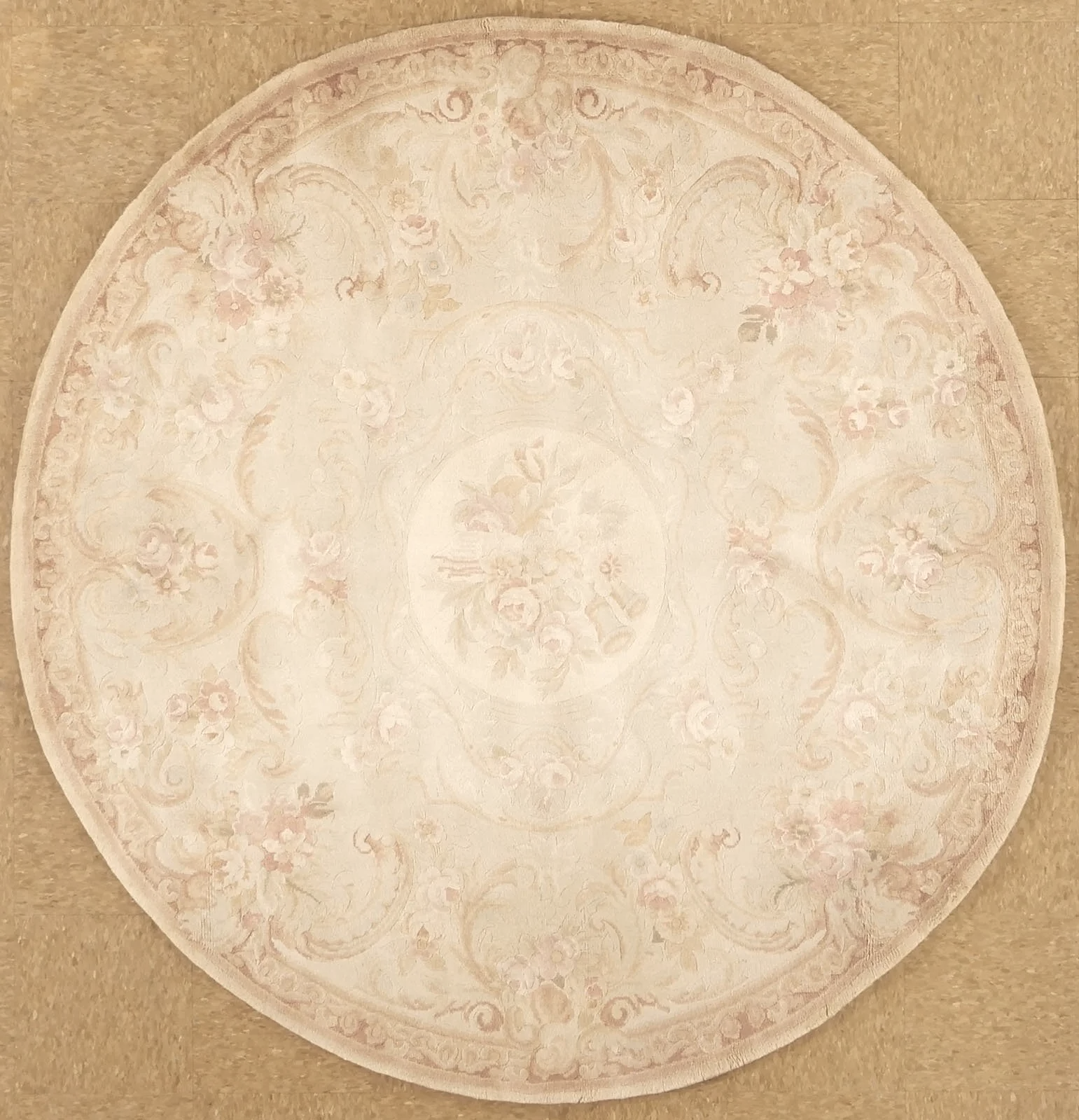
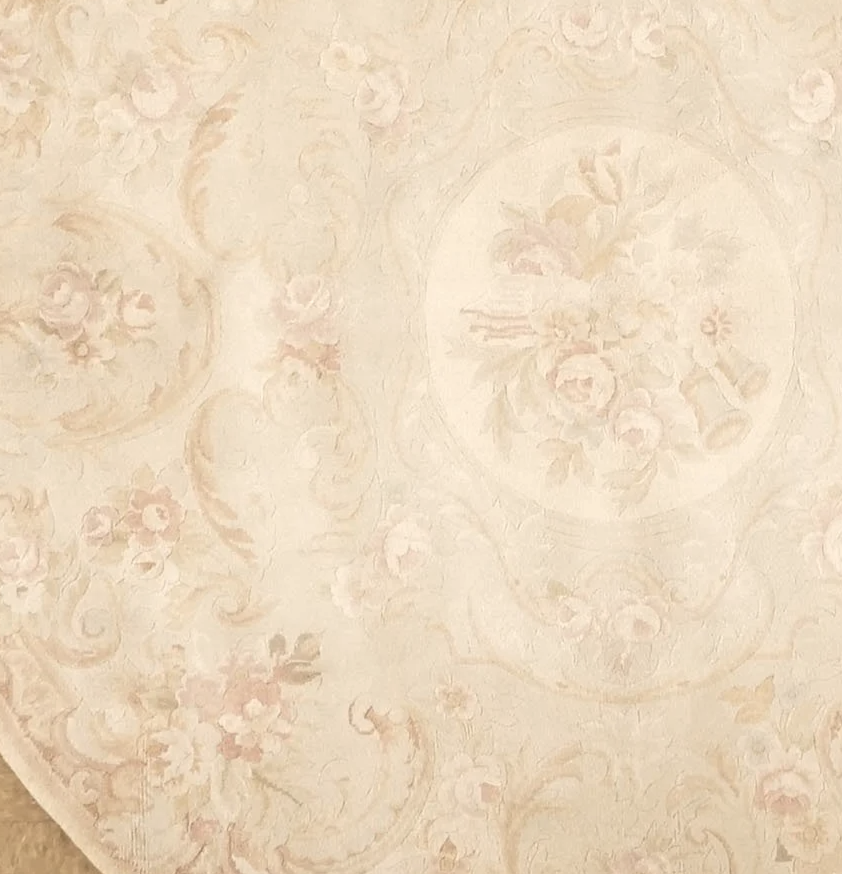


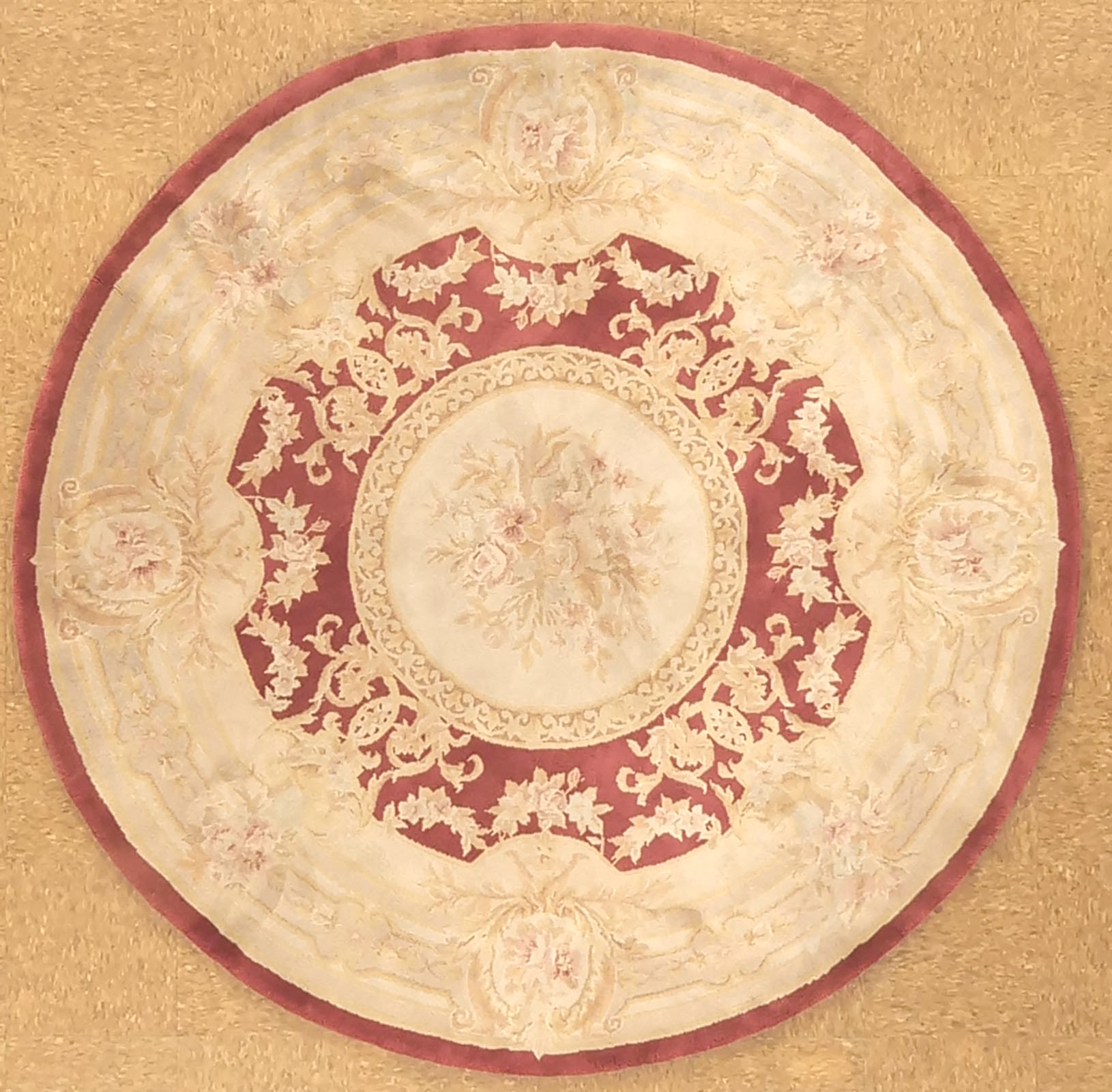
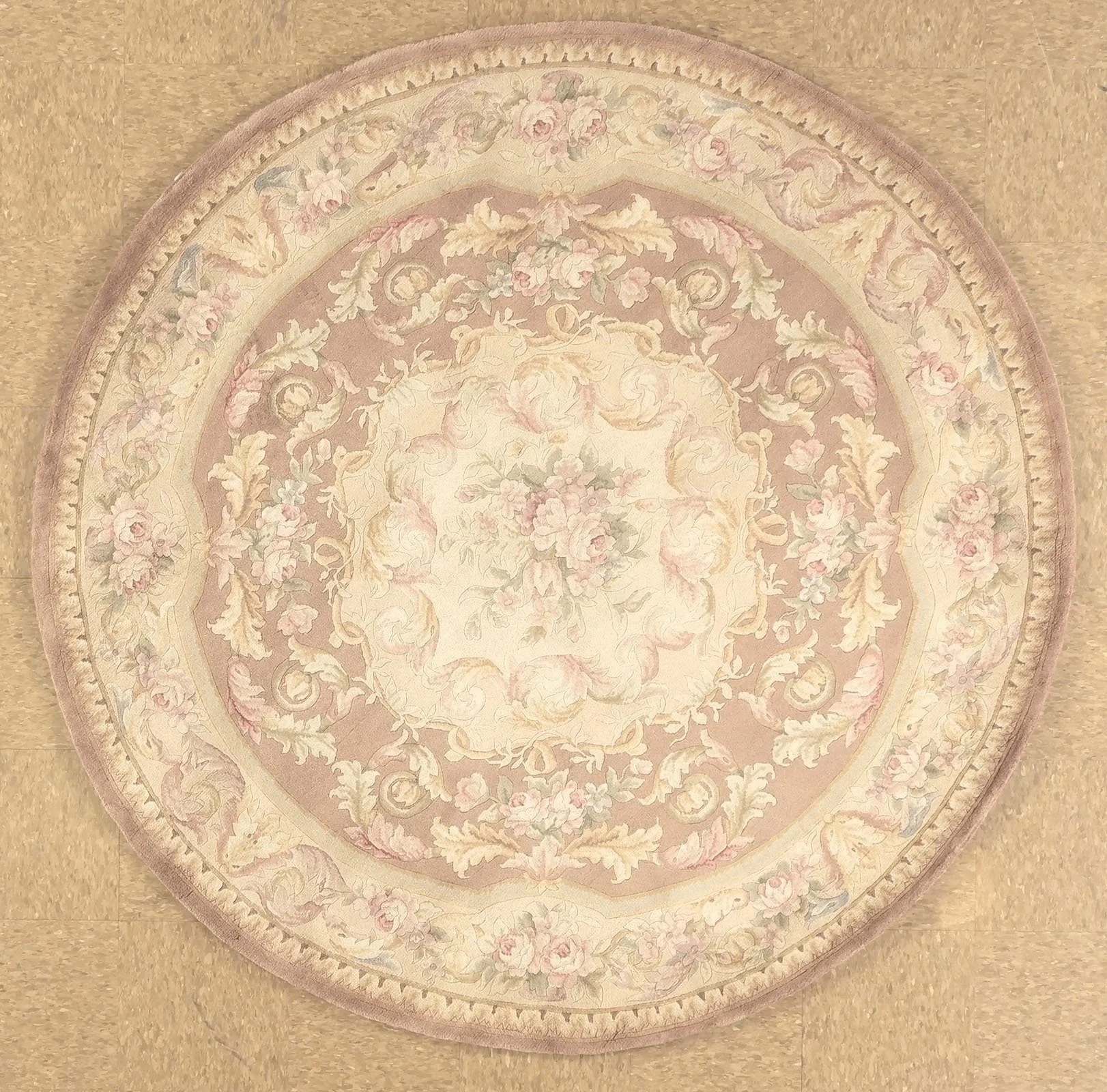
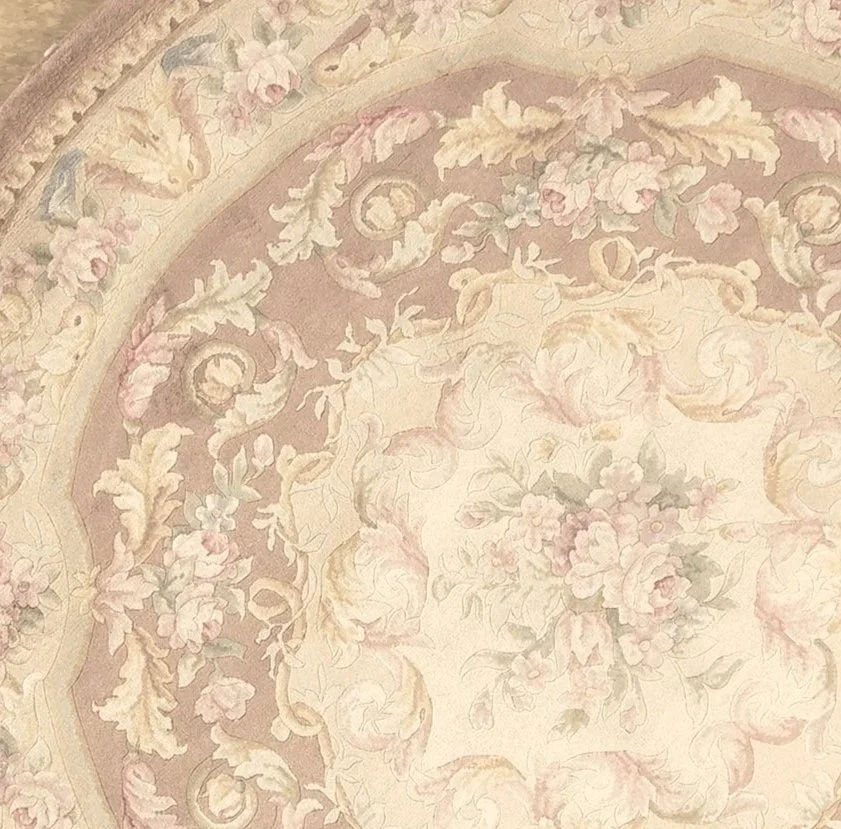


A Short History of Savonnerie
Savonnerie carpets are the pinnacle of French textile art, legendary for their deep plush pile, intricate classical designs, and historical connection to the French royal courts. Originating in Paris during the early 17th century, they became symbols of absolute luxury and royal prestige. Unlike flat-woven Aubusson textiles, authentic Savonnerie carpets are distinguished by their heavy, hand-knotted wool technique.
The Savonnerie manufactory was founded in 1626 under Louis XIII, set up in a former soap factory on the outskirts of Paris, which is where the name comes from (savon is French for soap).
Under royal patronage, Savonnerie weavers produced grand pile carpets for the Louvre's Grande Galerie and other royal residences, reserving the finest work for the crown through the 17th and 18th centuries.
Production continued through the Empire period and into the 19th and 20th centuries, and the Savonnerie name is still used today for fine hand-knotted French-style pile carpets woven in the historic technique. Today ModRen offers recreations hand-knotted in the spirit of the renowned originals, down to the last details.
The Art of the Savonnerie Rug
Savonnerie is a hand-knotted pile carpet, the opposite construction from its flat-woven Aubusson cousin. Each knot is tied by hand, giving the surface a dense, velvety texture built up row by row.
That plush pile is the fastest way to tell a Savonnerie from an Aubusson. Run your hand across the surface: a Savonnerie has a raised, cushioned nap, while an Aubusson lies flat like a woven painting.
- Materials
- Plush wool pile on a cotton foundation.
- Palette
- Rich and formal: florals set on ivory or deep colored grounds.
- Motifs
- Framed medallions, architectural elements, floral bouquets, acanthus scrollwork, cartouches, and scenery.
- Styles
- Louis XIII, Louis XIV, Louis XV, Louis XVI, Neoclassical, and Empire.
Savonnerie vs. Aubusson vs. Persian Rugs
ModRen carries all three, so this is the question we get asked most.
| Attribute | Savonnerie | Aubusson | Persian / Oriental |
|---|---|---|---|
| Weave | Hand-knotted, plush pile, no fringes | Flat tapestry weave, no pile, no fringes | Hand-knotted, pile and fringes |
| Origin | Originals from France (Savonnerie manufactory, Paris); modern recreations from China | Originals from Aubusson, France; modern recreations from China and Europe (Romania) | Iran and the surrounding region; modern interpretations from India, Pakistan, and Turkey |
| Woven since | 17th century (royal workshop, founded 1626) | 17th century | Centuries old, varies by region |
| Palette | Bold architectural to soft and faded, with much in between | Pastel to vibrant: ivory, rose, celadon, golds | Deep jewel tones, symbolic motifs |
| Surface feel | Dense, plush, velvety | Smooth, flat, like a woven painting | Textured pile; density usually varies by knot count |
| Best for | Grand spaces wanting the best of European luxury | European or transitional rooms wanting a light, painterly look | Traditional, richly layered interiors |
A Savonnerie rug is hand-knotted with a raised, plush pile in a rich, formal French palette; an Aubusson is flat-woven with a smooth surface and softer pastel tones. Both come from France, but the construction and feel are entirely different.
How to Buy a Savonnerie Rug at ModRen
Browse for inspiration, tell us what you're looking for, and we'll help you find the right piece.
Browse for Inspiration
Our 500+ Savonnerie rugs show the range of sizes, shapes, and periods.
Tell Us What You Want
Room size, palette, period, and budget, sent directly to our team.
We Provide Options
Drawing on 30+ years of trade relationships and our extended inventory.
Trial It, Then Decide
See it in your home (USA only). We ship worldwide via FedEx, UPS, and DHL.
After several months of searching, I found the hand-knotted Savonnerie rug for my bedroom. The rug is beautiful and was in excellent condition upon delivery. Jeffrey was very nice to deal with and answered all of my questions. I would recommend ModRen Rugs to anyone looking for a Savonnerie rug.
Savonnerie Rug Glossary
- Savonnerie manufactory
- The royal French carpet workshop founded in 1626 near Paris, credited with originating the Savonnerie pile-carpet tradition.
- Point noué
- French for "knotted stitch," the hand-knotting technique used to build a Savonnerie's pile row by row.
- Pile density
- The number of knots per square inch in a hand-knotted carpet; higher density generally means finer detail and more durability.
- Cartoon
- An ornamental, full-scale painting used as a guide by the weaver in Savonnerie and Aubusson carpet production.
- Cartouche
- An ornamental frame, often oval or scrolled, that encloses a central design, inscription, or monogram, a common motif in Savonnerie carpets.
- Palmette
- A stylized fan-shaped floral motif common in Savonnerie and other French decorative carpet borders.
- Provenance
- The documented history of ownership of a rug or carpet, a key factor in authenticating and valuing antique pieces.
Frequently Asked Questions
What is a Savonnerie rug?
A Savonnerie rug is a hand-knotted French carpet with a plush pile, named for the royal Savonnerie manufactory founded near Paris in 1626. Savonnerie rugs are known for framed medallions, floral bouquets, and a rich, formal palette, and are used as luxury centerpieces. Original designs reflected each monarch’s style, adding their flavor to the carpets.
Where does the name Savonnerie come from?
Savon is French for "soap." The royal carpet workshop founded in 1626 was originally set up in a former soap factory on the outskirts of Paris, and the manufactory kept the building’s name, Savonnerie.
Is Savonnerie the same as Aubusson?
No. Both are historic French carpet traditions, but Savonnerie is a hand-knotted pile carpet first woven for the royal courts, with a plush, velvety surface, while Aubusson is a flat-woven tapestry carpet, a technique adapted from tapestries, inspired by the king’s styles and made available to the French elite, with a smooth surface and no pile. They often share similar patterns and are shown side by side, because both originated in 17th-century France.
How do you identify a Savonnerie rug?
Look for a dense, raised pile, a rich and formal palette, and French motifs such as framed medallions, floral bouquets, and acanthus scrollwork. The back of a genuine hand-knotted piece will show the same colors and pattern as the face, with individual knots, not a flat woven surface, and never with fringes.
Are Savonnerie rugs valuable?
Yes. Genuine antique Savonnerie rugs are considered among the finest investment-grade textiles and are limited in the world of hand-knotted carpets. Value depends on the drawing, age, condition, size, and the fineness of the knot.
Well-made hand-knotted recreations are labor intensive, and as some older weavers retire, so too will these productions. Both new and antique Savonnerie are valued as premier luxury floor coverings.
How much does an antique Savonnerie rug cost?
Prices for antique Savonnerie rugs vary widely with age, size, condition, and rarity, ranging from several hundred dollars for smaller or semi-antique pieces to well into six figures for rare museum-quality examples. In the early 2000s a Louis XV Savonnerie broke a world record as the highest sale for a carpet at auction. Contact ModRen for a quote.
How do you clean a Savonnerie rug?
Regular vacuuming in the direction of the pile keeps everyday dust under control. Because Savonnerie rugs are hand-knotted, they should only be professionally cleaned by a carpet specialist.
Are Savonnerie rugs still made today?
Rarely in France today. The Savonnerie style continues to be woven, with the assistance of French artisans in China who follow precise weaving techniques, wool quality, and color blending that simulate the antique French originals.
What is the difference between Savonnerie and Persian rugs?
Both are hand-knotted pile carpets, but Savonnerie rugs use a French decorative vocabulary of framed medallions, floral bouquets, and formal European palettes, in a 3D effect, while Persian rugs use symbolic Middle Eastern motifs and deep jewel-toned colors. In short: Savonnerie is French court carpet design; Persian is a centuries-old Iranian weaving tradition.
How many Savonnerie rugs does ModRen have in stock?
ModRen currently has 500+ Savonnerie carpets to browse online, primarily new, with some antique originals from France, Spain, and Austria, ranging from small to room-size carpets over 28 feet.
Can I see a Savonnerie rug in my home before I buy it?
Yes. ModRen offers in-home trials on many pieces, so you can see how a rug looks in your own space and light before making a decision (USA only).
Does ModRen offer trade pricing on Savonnerie rugs?
Yes. ModRen works with interior designers and the trade on Savonnerie rugs and carpets; contact us to discuss trade pricing for your project.
How do you authenticate an antique Savonnerie?
ModRen offers primarily new Savonnerie rugs, with antique originals from France, Spain, and Austria. Antiques are usually recognized by the softening of colors and lustrous wool, a desirable result from decades of use.
Authentication looks at age-appropriate materials, hand-knotted pile construction, period-correct design and coloring, and signs of honest wear consistent with age. For valuable antiques, get a written appraisal from a qualified rug specialist.